All posts by admin

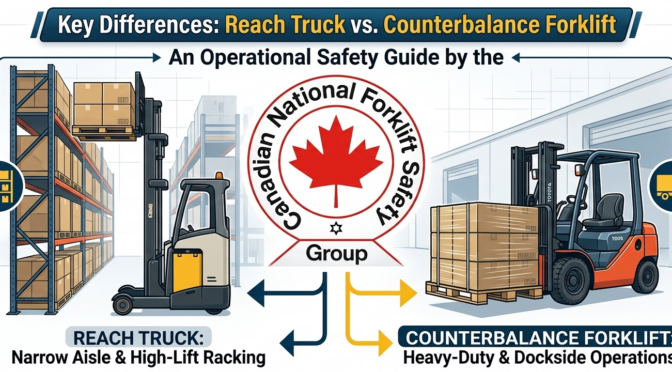
Reach Truck vs Counterbalance Forklift: Key Differences

In modern warehousing and material handling, choosing the right forklift can directly impact productivity, safety, storage capacity, and operator efficiency. One of the most common comparisons businesses make is reach truck vs counterbalance forklift. While both machines are designed to move and lift materials, they serve very different purposes inside a warehouse environment.

Many warehouse managers, logistics coordinators, and new operators assume all forklifts work similarly. In reality, using the wrong machine for the wrong application can lead to damaged inventory, reduced efficiency, and even safety risks. This is why understanding the core differences between a reach truck and a Counterbalance Forklift is essential before investing in equipment or enrolling in operator training.

At CN Forklift Training, this is one of the most common topics discussed during operator education and workplace safety sessions. Businesses across Canada are increasingly focusing on proper forklift selection, practical operator training, and certification standards to improve workplace performance and compliance.

This guide explains the real-world differences, practical applications, strengths, limitations, and training requirements for both forklift types.

Understanding Warehouse Equipment and Forklift Roles

Before comparing machines directly, it’s important to understand how different types of warehouse equipment are designed for specific operational needs.

Forklifts are not “one-size-fits-all” machines. Warehouses vary in:

  • Aisle width
  • Rack height
  • Floor layout
  • Inventory type
  • Loading dock setup
  • Indoor vs outdoor operations

The forklift that works perfectly in a retail distribution center may perform poorly in a manufacturing facility or lumber yard.

Among all warehouse forklift types, reach trucks and counterbalance forklifts are two of the most widely used machines because they handle very different material-handling tasks.

What Is a Reach Truck?

A reach truck is a specialized forklift designed primarily for narrow-aisle warehouse operations and high-level pallet storage.

The defining feature of a reach truck is its extending mast mechanism. Instead of driving directly into shelving like traditional forklifts, the forks “reach” forward to place or retrieve pallets from racking systems.

Key Features of a Reach Truck

  • Narrow chassis for tight aisles
  • Extended lift height capability
  • Stabilizing legs beneath the load
  • Electric-powered operation
  • Excellent maneuverability indoors

Reach trucks are commonly found in:

  • High-density warehouses
  • Distribution centers
  • Retail fulfillment operations
  • Cold storage facilities
  • Logistics hubs

Because of their precision handling, they are ideal for maximizing vertical storage space.

What Is a Counterbalance Forklift?

A Counterbalance Forklift is the traditional forklift most people recognize. It uses a rear counterweight to balance heavy loads lifted at the front.

Unlike reach trucks, counterbalance forklifts do not require support legs beneath the load. Operators can drive directly toward pallets, making them highly versatile.

Key Features of Counterbalance Forklifts

  • Rear counterweight system
  • Front-loading design
  • Suitable for indoor and outdoor use
  • Available in electric, propane, and diesel models
  • Easier pallet pickup from ground level

These forklifts are commonly used in:

  • Shipping docks
  • Manufacturing plants
  • Construction supply yards
  • General warehouses
  • Freight operations

Their flexibility makes them one of the most widely used types of warehouse equipment worldwide.

Reach Truck vs Counterbalance Forklift: Core Differences

Understanding the operational differences helps businesses choose the right equipment for efficiency and safety.

Forklift Differences in Design

Reach Truck Design

Reach trucks are engineered for narrow warehouse aisles. Their extending forks allow operators to retrieve pallets without turning large machines inside tight spaces.

The operator compartment is often side-facing, allowing better visibility while maneuvering through narrow racking systems.

Counterbalance Forklift Design

A Counterbalance Forklift uses a heavy rearweight to stabilize loads. Since there are no front stabilizing legs, operators can approach pallets directly.

This design is better for loading trucks, moving pallets outdoors, and transporting heavier loads over shorter distances.

Lift Height Comparison

One major advantage of reach trucks is vertical lift capability.

Reach Truck

  • Designed for very high shelving
  • Ideal for maximizing warehouse storage
  • Commonly used in warehouses with tall pallet racking

Counterbalance Forklift

  • Moderate lift height
  • Better suited for ground-level and mid-level storage
  • More stable for heavier loads at lower heights

In real warehouse operations, reach trucks are often preferred when storage density matters more than transport versatility.

Maneuverability in Warehouse Equipment

Reach Truck

Reach trucks excel in narrow aisles. Their compact turning radius allows operators to work efficiently in tight warehouse layouts.

Warehouses using high-density storage systems often rely heavily on reach trucks to save floor space.

Counterbalance Forklift

Counterbalance forklifts require wider aisles to turn safely. However, they provide better movement flexibility across mixed-use environments.

This makes them more adaptable for facilities handling both indoor and outdoor logistics.

Warehouse Forklift Types and Their Best Applications

Every forklift type performs best in specific operational environments.

Best Use Cases for Reach Trucks

Reach trucks are ideal for:

  • Narrow aisle warehouses
  • High pallet racking
  • Indoor-only operations
  • High-volume inventory storage
  • Cold storage facilities

Real-World Example

A retail distribution center storing thousands of SKUs often uses reach trucks because maximizing vertical storage significantly reduces warehouse expansion costs.

Best Use Cases for Counterbalance Forklifts

A Counterbalance Forklift is better suited for:

  • Loading docks
  • Outdoor yards
  • Manufacturing plants
  • Mixed indoor/outdoor operations
  • Heavy pallet transport

Real-World Example

A construction materials supplier moving pallets between warehouse floors and outdoor loading areas benefits more from counterbalance forklifts due to terrain flexibility and load stability.

Operator Training Matters More Than Most Businesses Realize

One of the biggest misconceptions in warehousing is assuming forklift operation is simple after basic orientation.

In reality, reach trucks and counterbalance forklifts require different handling techniques, visibility awareness, and stability management.

This is where proper operator training becomes critical.

Reach Truck Certification Canada Requirements

In Canada, forklift operators are expected to receive proper workplace safety training under provincial occupational health and safety regulations.

While certification requirements vary slightly by province, employers are generally responsible for ensuring operators are trained and competent.

What Reach Truck Training Typically Includes

Safety Fundamentals

  • Load stability principles
  • Weight distribution
  • Pedestrian awareness
  • Warehouse traffic control

Equipment-Specific Training

  • Narrow aisle maneuvering
  • High-level pallet placement
  • Fork positioning
  • Reach extension control

Practical Evaluation

Operators are usually assessed through:

  • Hands-on driving tests
  • Load handling exercises
  • Rack placement accuracy
  • Emergency procedures

Proper reach truck certification Canada programs help reduce workplace accidents and equipment damage significantly.

Forklift Comparison Training: Why It Helps Businesses

Many facilities operate multiple types of forklifts. Employees who understand the operational differences between machines become safer and more efficient.

This is where forklift comparison training becomes highly valuable.

Instead of learning only one machine, operators understand:

  • Equipment limitations
  • Stability differences
  • Visibility challenges
  • Turning radius concerns
  • Load handling behavior

At CN Forklift Training, comparison-based learning often helps new operators build stronger situational awareness faster than isolated machine instruction alone.

Common Mistakes Businesses Make When Choosing Forklifts

Choosing Based Only on Cost

A cheaper forklift can become expensive if it reduces productivity or causes inventory damage.

For example:

  • Using counterbalance forklifts in narrow aisles wastes storage space
  • Using reach trucks outdoors creates safety and durability issues

Equipment should match operational workflow—not just budget.

Ignoring Aisle Width Requirements

One of the most common warehouse planning mistakes involves aisle sizing.

Reach trucks require less aisle space than counterbalance forklifts. Businesses sometimes buy standard forklifts before realizing their warehouse layout limits maneuverability.

This often results in:

  • Slower operations
  • Rack collisions
  • Increased accident risk

Underestimating Operator Training

Even experienced operators can struggle when switching forklift types.

A counterbalance forklift operator may initially find:

  • Reach truck steering unfamiliar
  • Height navigation challenging
  • Rack placement more technical

Proper forklift operator courses help prevent these adjustment problems.

Practical Safety Tips for Operators

For Reach Truck Operators

Keep Loads Stable at Height

High lifts increase tipping risks and visibility challenges.

Operators should:

  • Move slowly at height
  • Avoid sudden mast movements
  • Maintain balanced loads

Watch for Rack Contact

Small steering errors can damage expensive racking systems.

Experienced operators continuously monitor:

  • Fork alignment
  • Clearance space
  • Pallet positioning

For Counterbalance Forklift Operators

Understand Load Center Limits

Heavy loads positioned too far forward reduce stability.

Operators should always:

  • Check load ratings
  • Keep loads low during travel
  • Avoid sharp turns with elevated forks

Be Cautious Outdoors

Uneven surfaces increase tipping risk.

Operators must adjust speed based on:

  • Weather conditions
  • Surface quality
  • Visibility levels

Logistics Training and Modern Warehouse Demands

Warehousing has evolved dramatically over the past decade.

Today’s logistics operations focus heavily on:

  • Faster order fulfillment
  • Higher storage density
  • Workplace safety
  • Reduced downtime
  • Skilled equipment operators

This has increased demand for specialized logistics training programs across Canada.

Companies now value operators who understand:

  • Multiple forklift systems
  • Warehouse traffic flow
  • Inventory handling efficiency
  • Equipment-specific safety standards

Comprehensive operator training helps businesses remain competitive while reducing costly operational mistakes.

How to Decide Which Forklift Is Right for Your Business

Choose a Reach Truck If:

  • Your warehouse uses narrow aisles
  • Vertical storage is a priority
  • Operations are fully indoors
  • You need high rack access
  • Space efficiency matters most

Choose a Counterbalance Forklift If:

  • You load/unload trucks frequently
  • Operations include outdoor areas
  • You move heavier loads regularly
  • Ground-level transport is common
  • Flexibility matters more than storage density

Expert Advice from Real Warehouse Operations

Experienced warehouse managers often avoid relying on only one forklift type.

Instead, many successful facilities combine:

  • Reach trucks for storage
  • Counterbalance forklifts for receiving and shipping

This hybrid approach improves:

  • Workflow efficiency
  • Storage capacity
  • Dock productivity
  • Equipment specialization

Another important insight from experienced operators is that comfort and visibility matter more than many businesses realize. Poor ergonomics can reduce productivity during long shifts.

Testing equipment in real operating conditions before purchase often prevents expensive long-term mistakes.

Future Trends in Warehouse Equipment

Modern warehouse equipment is becoming increasingly advanced.

Emerging forklift technologies include:

  • Lithium-ion battery systems
  • Telematics tracking
  • Collision detection
  • Automated operator assistance
  • Energy-efficient electric fleets

As automation grows, trained operators remain essential because real warehouse environments still require human judgment, adaptability, and safety awareness.

This makes professional forklift operator courses and ongoing skills development increasingly valuable.

Conclusion

Understanding the differences in reach truck vs counterbalance forklift operations is essential for making smarter warehouse decisions.

While reach trucks excel in narrow aisles and high storage environments, the Counterbalance Forklift remains the preferred choice for versatile loading, transport, and outdoor operations.

The best choice depends on:

  • Warehouse layout
  • Storage strategy
  • Operational workflow
  • Load requirements
  • Operator skill level

Businesses that combine the right equipment with proper operator training, forklift comparison training, and safety-focused workplace practices typically achieve better efficiency, fewer accidents, and stronger long-term operational performance.

At CN Forklift Training, educating operators on real-world forklift applications helps businesses build safer and more productive warehouse environments across Canada.

FAQs

What is the main difference between a reach truck and a counterbalance forklift?

A reach truck is designed for narrow aisles and high shelving, while a counterbalance forklift is better for general material handling and loading operations.

Which forklift is better for warehouse storage?

Reach trucks are better for high-density warehouse storage because they can operate efficiently in tight aisles and lift pallets to greater heights.

Can a Counterbalance Forklift be used outdoors?

Yes, a Counterbalance Forklift is commonly used outdoors because it handles uneven surfaces and loading dock operations more effectively.

Is reach truck certification required in Canada?

Yes, operators should complete proper reach truck certification and safety training to meet workplace safety standards in Canada.

Why is forklift operator training important?

Forklift operator training improves workplace safety, reduces accidents, protects inventory, and helps operators handle equipment more efficiently.
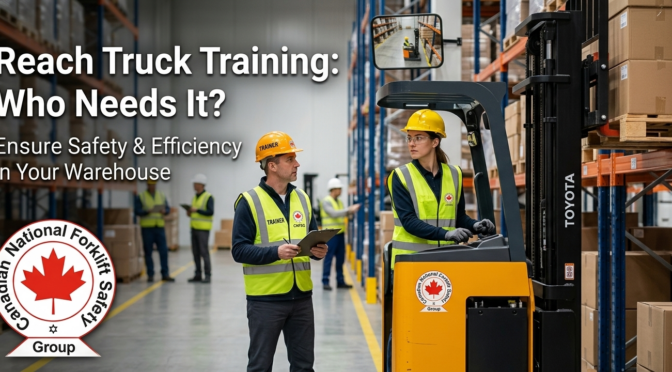
What Is Reach Truck Training & Who Needs It

In modern warehousing and logistics, specialised equipment plays a crucial role in ensuring efficiency and safety. One such piece of equipment is the reach truck, designed for lifting and storing goods at significant heights in narrow aisles. A reach truck training certification Canada program equips operators with the skills and knowledge required to handle this machinery safely. Understanding how reach truck training works and who needs it is essential for anyone involved in warehouse operations or looking to build a career in material handling.

Understanding Reach Truck Operator Training and Forklift Types

Reach truck operator training focuses on teaching individuals how to operate reach trucks effectively within confined warehouse environments. Unlike standard forklifts, reach trucks are specifically designed to extend their forks into racking systems, allowing operators to access high storage areas without repositioning the entire vehicle.

This training also introduces learners to different forklift types, helping them understand the distinctions between counterbalance forklifts, pallet jacks, and reach trucks. By gaining this knowledge, operators can choose the appropriate equipment for specific tasks, improving both efficiency and safety in warehouse operations. Mastering these differences is essential for reducing errors and ensuring smooth workflow in busy facilities.

What Does a Warehouse Reach Truck Course Include?

A structured warehouse reach truck course combines theoretical instruction with hands-on training to provide a comprehensive learning experience. The theoretical component covers topics such as load capacity, stability principles, and hazard identification. Trainees also learn about workplace regulations and the importance of maintaining proper equipment safety standards.

Practical training allows participants to operate reach trucks under supervision, practising essential manoeuvres such as lifting, stacking, and navigating narrow aisles. This hands-on experience is critical for building confidence and competence. By the end of the course, participants are typically assessed to ensure they meet the required competency levels before receiving certification.

Key Skills Developed Through Operator Skills Training

Developing strong operator skills is a central focus of reach truck training programs. These skills include precise load handling, spatial awareness, and the ability to work efficiently in tight spaces. Operators also learn how to conduct pre-operation inspections to identify potential issues with the equipment.

In addition to technical abilities, training emphasises decision-making and situational awareness. These soft skills are vital for preventing accidents and ensuring smooth operations in high-pressure environments. By honing these competencies, operators can contribute to safer and more productive workplaces.

Importance of Reach Forklift Training in Warehouse Operations

Reach forklift training is essential for maintaining safety and efficiency in warehouses where vertical storage is common. Reach trucks are often used in high-density storage facilities, where precision and control are critical. Without proper training, operators may struggle to handle loads safely, increasing the risk of accidents.

Training programs ensure that operators understand how to maintain stability, avoid collisions, and handle loads correctly. This knowledge is particularly important in environments where multiple operators and equipment are in use simultaneously. By investing in training, organisations can reduce workplace incidents and improve overall productivity.

Role of Equipment Safety in Training Programs

A strong emphasis on equipment safety is a key component of any reach truck training program. Operators are taught how to inspect equipment before use, identify potential hazards, and follow safety protocols at all times. This includes understanding load limits, maintaining proper posture, and using protective gear.

Safety training also covers emergency procedures, ensuring that operators know how to respond in case of equipment failure or accidents. By prioritising safety, training programs help create a culture of responsibility and awareness within the workplace.

Who Needs Reach Truck Training Certification Canada?

A reach truck training certification Canada is beneficial for a wide range of individuals, including warehouse workers, logistics professionals, and those seeking to enter the material handling industry. Employers often require certification to ensure that operators meet safety and competency standards.

This certification is particularly valuable for individuals working in industries such as retail distribution, manufacturing, and e-commerce, where efficient warehouse operations are critical. By obtaining certification, workers can enhance their employability and demonstrate their commitment to safety and professionalism.

Benefits of Forklift Certification Canada for Career Growth

Obtaining a recognised forklift certification Canada can significantly improve career prospects. Certified operators are often preferred by employers because they require less supervision and are more likely to adhere to safety standards. This can lead to better job opportunities and higher earning potential.

Additionally, certification provides a sense of confidence and competence, enabling operators to perform their duties effectively. It also opens doors to advanced training and specialised roles within the industry, supporting long-term career development.

How Reach Truck Training Supports Efficient Warehouse Operations

Efficient warehouse operations rely heavily on skilled operators who can handle equipment safely and effectively. Reach truck training plays a crucial role in ensuring that goods are stored and retrieved efficiently, minimising delays and reducing the risk of damage.

By mastering the techniques taught in training programs, operators can optimise storage space and improve workflow. This not only benefits the organisation but also enhances job satisfaction for employees, who can perform their tasks with greater confidence and efficiency.

Choosing the Right Training Provider for Operator Skills Development

Selecting the right training provider is an important step in gaining the necessary skills and certification. A reputable provider will offer a balanced curriculum that includes both theoretical knowledge and practical experience. They will also ensure that training aligns with industry standards and regulations.

When evaluating providers, it is important to consider factors such as instructor experience, training facilities, and course content. Choosing a high-quality program ensures that learners receive comprehensive training and are well-prepared for real-world challenges.

Why CN Forklift Training Is a Trusted Choice

Choosing a reliable provider such as CN Forklift Training can make a meaningful difference in the overall learning experience. Their structured programs are designed to deliver both foundational knowledge and practical skills, helping learners become confident operators. By focusing on real-world applications, they ensure participants are prepared to handle the demands of modern warehouse environments.

With an emphasis on safety, efficiency, and skill development, CN Forklift Training supports individuals in building a strong foundation for their careers. Their approach ensures that learners not only meet certification requirements but also gain the confidence needed to perform effectively in professional settings.

Conclusion:

Gaining a reach truck training certification Canada is an important step for anyone looking to work in warehouse or logistics roles. Proper training ensures that operators can handle equipment safely while contributing to efficient operations. It also enhances career opportunities and supports long-term growth in the industry.

By enrolling in a program offered by CN Forklift Training, individuals can access comprehensive training that combines theory and hands-on experience. Whether you are starting a new career or upgrading your skills, the right training provider can help you achieve your goals and succeed in today’s competitive job market.

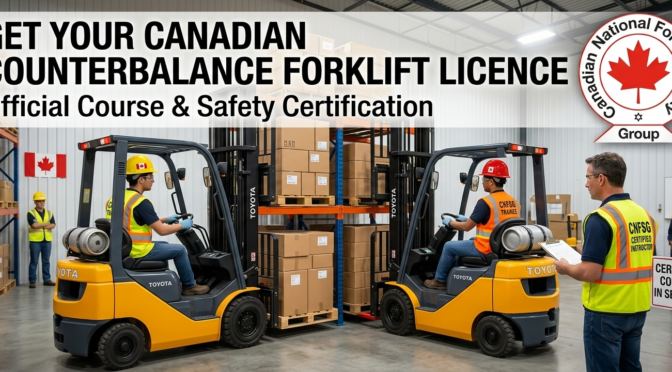
Best Counterbalance Forklift Licence Course in Canada: Complete Guide

Finding the right counterbalance forklift licence course is essential for anyone looking to build a safe and successful career in material handling or warehouse operations. Counterbalance forklifts are widely used across Canadian industries, making proper training and certification a valuable asset. This guide explains what to expect from training, how to choose the best course, and why gaining a forklift licence in Canada can open doors to stable, job-ready opportunities in today’s competitive workforce.

Understanding Forklift Licence Canada Requirements and Industry Standards

In Canada, obtaining a forklift licence Canada involves more than just learning how to operate machinery. Training programs are designed to align with workplace safety regulations and industry standards, ensuring operators understand both theory and practical application. This includes hazard awareness, load management, and proper equipment handling.

Employers across logistics, construction, and warehousing sectors prioritise certified operators because they contribute to safer and more efficient operations. Enrolling in a recognised program ensures that learners meet compliance requirements while also gaining confidence in their abilities. This focus on safety compliance plays a critical role in reducing workplace accidents and maintaining productivity.

What Makes the Best Counterbalance Forklift Licence Course?

Choosing the best counterbalance forklift licence course requires careful evaluation of several key factors. A high-quality program should include a balance of classroom instruction and hands-on training. Theoretical lessons typically cover equipment operation, workplace hazards, and safety procedures, while practical sessions allow learners to operate forklifts under supervision.

Another important aspect is whether the course prepares participants for real-world challenges. The best programs emphasise job-ready training, ensuring that learners can confidently handle tasks such as stacking, loading, and navigating tight warehouse spaces. Additionally, reputable courses often provide assessments and certification upon completion, verifying the operator’s competence.

Role of Forklift Schools Canada in Skill Development

Accredited forklift schools Canada play a vital role in developing skilled operators who meet industry expectations. These institutions are equipped with experienced instructors and modern training equipment, allowing learners to gain practical experience in controlled environments.

Such schools often collaborate with industry professionals to ensure their training programs remain relevant and up to date. This connection helps bridge the gap between learning and employment, making it easier for graduates to transition into the workforce. By choosing a reputable training provider, individuals can maximise the value of their certification.

Exploring Local Training Centers and Course Availability

When searching for training options, many learners look for counterbalance forklift training near me Canada to find convenient and accessible programs. Local providers offer flexible schedules, making it easier for individuals to balance training with work or other commitments.

These local training centers often provide tailored courses that address regional industry needs. For example, training in a warehouse-heavy area may focus more on logistics operations, while construction-focused regions may emphasise outdoor handling and uneven terrain. Choosing a nearby training centre can also provide networking opportunities and connections to local employers.

Understanding Forklift Certification Cost Canada and Value

One of the most common concerns for learners is the forklift certification cost Canada, which can vary depending on the course provider, duration, and level of training. While costs may differ, it is important to view training as an investment rather than an expense.

Courses that offer comprehensive training, including both theory and practical sessions, tend to provide better value. They equip learners with the skills needed to perform efficiently and safely in the workplace. Additionally, certified operators often have access to better job opportunities and higher earning potential, making the initial cost worthwhile in the long run.

Factors That Influence Certification Cost

The overall certification cost can be influenced by several factors, including course length, instructor experience, and the quality of training equipment. Programs that include advanced modules or specialised training may also have higher fees.

However, it is essential to prioritise quality over price. A cheaper course may not provide adequate training, which could lead to safety risks or limited job prospects. Investing in a reputable program ensures that learners receive proper instruction and gain the skills needed to succeed in their careers.

Key Skills You Gain from a Forklift Licence Course

Enrolling in a counterbalance forklift licence course equips learners with a wide range of practical and theoretical skills. These include understanding load capacities, maintaining balance, and operating forklifts safely in various environments. Participants also learn how to inspect equipment before use and identify potential hazards.

Beyond technical skills, training also focuses on improving situational awareness and decision-making. These abilities are crucial for preventing accidents and ensuring smooth operations in busy workplaces. By mastering these skills, operators can contribute to safer and more efficient work environments.

Importance of Job-Ready Training in Today’s Workforce

Modern training programs place a strong emphasis on job-ready training, preparing learners for the demands of real-world work environments. This includes practising common tasks such as loading and unloading goods, navigating tight spaces, and working alongside other equipment and personnel.

Employers value candidates who can start working with minimal supervision, making job-ready training a significant advantage. It not only improves employability but also boosts confidence, allowing operators to perform their duties effectively from day one.

Benefits of Choosing the Right Forklift Training Program

Selecting the right training program offers numerous benefits, including improved safety, enhanced efficiency, and better career opportunities. Certified operators are more likely to secure stable employment and advance within their organisations.

Additionally, proper training helps reduce workplace incidents, protecting both employees and employers. This focus on safety and efficiency makes forklift training an essential step for anyone looking to build a long-term career in the industry.

How CN Forklift Training Supports Career Growth

Choosing a trusted provider like CN Forklift Training can make a significant difference in the quality of education and overall learning experience. Their structured programs are designed to combine theoretical knowledge with hands-on practice, ensuring learners develop both confidence and competence. This balanced approach helps participants meet industry standards while preparing them for real-world challenges.

With a focus on safety, efficiency, and practical skills, CN Forklift Training supports individuals in building a strong foundation for their careers. Their training methods are tailored to meet the needs of modern workplaces, making it easier for learners to transition into job-ready roles.

Conclusion:

Investing in a recognised training program is a crucial step towards achieving success in the forklift industry. Providers like CN Forklift Training offer comprehensive courses that prioritise safety, skill development, and industry compliance. By choosing the right course, learners can gain the knowledge and certification needed to thrive in competitive job markets.

Whether you are new to the field or looking to upgrade your skills, enrolling in a high-quality forklift licence course can open doors to new opportunities. With the right training and guidance, you can build a rewarding career while contributing to safer and more efficient workplaces across Canada.

What Is a Counterbalance Forklift Training Course & Why It Matters

A counterbalance forklift training course is a specialised program designed to teach operators how to safely and efficiently handle one of the most commonly used forklifts in warehouses, construction sites, and logistics facilities. These forklifts use a weight at the rear to counterbalance heavy loads at the front, making them versatile but potentially hazardous without proper training. Understanding how these machines work, along with safety procedures and operational techniques, is essential for both employers and workers aiming to maintain a productive and risk-free workplace.

Understanding Forklift Training Course Basics and Forklift Fundamentals

A comprehensive Forklift Training Course typically begins with the fundamentals, ensuring that learners understand the core principles of forklift operation. This includes how forklifts function, different types of forklifts, and the environments in which they are commonly used. In particular, trainees are introduced to forklift basics such as steering mechanisms, lifting capacities, load balancing, and visibility limitations.

Beyond simple operation, the course also introduces concepts related to material handling training, which focuses on how to transport goods efficiently while minimising damage and risk. This foundational knowledge is essential for building confidence and competence, especially for beginners entering warehouse or industrial roles. By mastering these basics, operators can avoid common mistakes that lead to workplace incidents.

What Is Included in a Counterbalance Forklift Training Course?

A counterbalance forklift training course typically combines theoretical learning with practical, hands-on experience. The theory component covers workplace safety laws, hazard identification, and safe operating procedures. Trainees learn about load charts, stability triangles, and the importance of maintaining balance while lifting or transporting goods.

On the practical side, participants operate forklifts under supervision, practising manoeuvres such as stacking, reversing, and navigating tight spaces. This hands-on training is critical in reinforcing classroom knowledge and building real-world skills. Additionally, courses often include assessments to ensure participants meet competency standards before receiving their safety certification.

Key Modules in Warehouse Forklift Training

Within warehouse forklift training, several modules are designed to prepare operators for real-life scenarios. These modules often include equipment inspection, where learners check for faults before operation, and load handling techniques to ensure stability and prevent tipping.

Another important aspect is hazard awareness. Operators are trained to identify risks such as uneven surfaces, pedestrian traffic, and improper load placement. This level of awareness is crucial for maintaining a safe working environment and reducing the likelihood of accidents. Such structured learning ensures operators are not just skilled but also responsible in their roles.

The Importance of Forklift Safety Training in Modern Workplaces

Workplace safety is a top priority in industries that rely on heavy machinery, making forklift safety training essential. Forklifts, while highly efficient, can be dangerous if operated incorrectly. Accidents can result in serious injuries, damaged goods, and costly downtime for businesses.

Proper training ensures operators understand how to control the forklift, maintain stability, and follow safety protocols. It also teaches them how to respond in emergencies, such as equipment failure or unexpected obstacles. Employers benefit from reduced liability and improved productivity, while employees gain the confidence to perform their tasks safely and efficiently.

Why Counterbalance Forklift Operator Training Is Essential

Counterbalance forklift operator training focuses specifically on the unique design and handling characteristics of counterbalance forklifts. Unlike other types, these forklifts require careful attention to balance and load distribution, as improper handling can easily lead to tipping.

This specialised training helps operators understand the importance of maintaining the correct centre of gravity and using the forklift within its rated capacity. By focusing on these critical aspects, the training reduces the risk of accidents and ensures smoother operations in busy work environments.

Certification and Compliance in Forklift Training Canada

In many industries, obtaining a counterbalance forklift certification Canada is not just beneficial but mandatory. Certification ensures that operators meet industry standards and are legally permitted to operate forklifts in their workplace. It also demonstrates a commitment to safety and professionalism.

Courses designed for forklift training Canada align with national safety regulations and guidelines, ensuring that participants receive up-to-date and relevant training. Certification typically involves both written and practical assessments, verifying that the operator has the knowledge and skills required to perform safely. This formal recognition can also improve job prospects and career growth opportunities for individuals in the logistics and construction sectors.

The Role of Safety Certification in Career Growth

Earning a recognised safety certification can significantly enhance an individual’s employability. Employers often prefer certified operators because they require less supervision and are more likely to adhere to safety standards. This not only reduces training costs for employers but also ensures a safer workplace overall.

For workers, certification can open doors to higher-paying roles and increased responsibilities. It serves as proof of competence and dedication, making it a valuable asset in competitive job markets.

Benefits of Completing a Counterbalance Forklift Training Course

Completing a counterbalance forklift training course offers numerous benefits beyond basic operational skills. One of the most significant advantages is improved workplace safety. Trained operators are less likely to make errors that could lead to accidents, ensuring a safer environment for everyone.

Another key benefit is increased efficiency. Skilled operators can handle loads more quickly and accurately, reducing delays and improving overall productivity. Additionally, proper training helps extend the lifespan of equipment by minimising wear and tear caused by improper use.

From an organisational perspective, investing in training can lead to reduced insurance costs, fewer workplace incidents, and better compliance with safety regulations. These advantages make forklift training a worthwhile investment for both individuals and businesses.

How Forklift Training Supports Material Handling Efficiency

Effective material handling training plays a crucial role in streamlining operations. Trained operators understand how to position loads correctly, optimise storage space, and reduce handling time. This level of efficiency is particularly important in high-demand environments such as warehouses and distribution centres.

By applying the skills learned during training, operators can contribute to smoother workflows and improved inventory management. This not only benefits the organisation but also enhances job satisfaction for workers who can perform their tasks more confidently and effectively.

Choosing the Right Forklift Course for Your Needs

Selecting the right Forklift Course is an important step for anyone looking to enter or advance in the industry. Factors to consider include the course content, training methods, and certification requirements. It is essential to choose a program that offers both theoretical knowledge and practical experience.

Additionally, learners should look for courses that cover a wide range of topics, including warehouse forklift training, safety procedures, and equipment maintenance. A well-rounded course ensures that participants are fully prepared to handle real-world challenges and meet industry expectations.

H2: Why Training Matters More Than Ever Today

As industries continue to grow and evolve, the demand for skilled forklift operators is increasing. With this growth comes a greater emphasis on safety and efficiency, making proper training more important than ever. Employers are prioritising candidates who have completed recognised training programs and hold valid certifications.

Training not only ensures compliance with regulations but also fosters a culture of safety within the workplace. When operators are well-trained, they are more likely to follow best practices and contribute to a positive working environment. This collective effort helps reduce accidents and improve overall performance.

Conclusion: Building Skills with the Right Training Provider

Choosing a reliable training provider is a crucial step in gaining the skills and knowledge needed to operate forklifts safely. Organisations like CN Forklift Training focus on delivering structured programs that combine theory with practical experience, helping learners build confidence and competence in real-world scenarios. Their approach ensures that participants are well-prepared to meet industry standards without overwhelming them with unnecessary complexity.

By enrolling in a course offered by CN Forklift Training, individuals can gain valuable insights into safe operation, compliance, and efficiency. Whether you are starting a new career or upgrading your skills, a well-designed training program can make a significant difference. With the support of experienced providers like CN Forklift Training, achieving certification and workplace readiness becomes a more accessible and rewarding journey.

Top Benefits of Certified Forklift Training in Canada

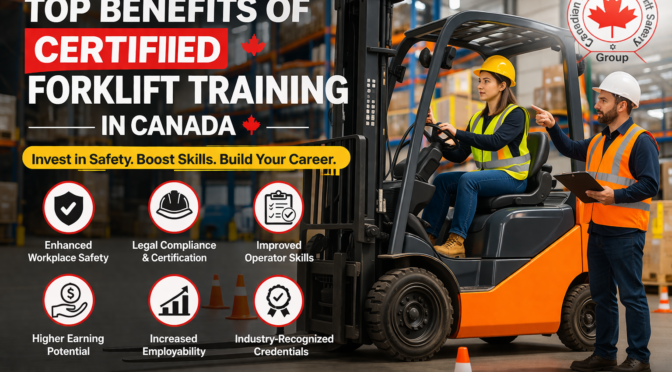
In today’s fast-paced industrial and logistics sectors, proper training is not just an advantage—it is a necessity. Enrolling in certified forklift training in Canada ensures that operators are equipped with the technical knowledge, safety awareness, and practical skills required to perform efficiently. At CN Forklift Training, individuals and businesses receive industry-recognized instruction that enhances workplace safety while opening doors to better career opportunities.

Advantages of Forklift Operator Certification in Canada

Obtaining certification is more than a requirement—it is a professional milestone that improves both safety and employability. With structured forklift training in Canada, trainees gain confidence and competence in handling complex equipment. CN Forklift Training delivers programs designed to meet industry standards and employer expectations.

  • Improved Workplace Safety and Risk Reduction

Starting with clear spotting of dangers, trained workers handle heavy loads carefully. Because they know how to move equipment without risk, incidents happen less often. When people follow practical rules on site, everyone stays protected. Fewer mistakes mean fewer legal problems for companies too.

  • Increased Job Opportunities in Competitive Markets

Many employers prioritize candidates with forklift operator certification in Canada due to compliance requirements. We help individuals stand out in the job market. This significantly improves employability in warehouse jobs and industrial sectors.

Key Forklift Course Benefits in Career Growth

Professional training equips individuals with the knowledge and credentials required to succeed in high-demand industries. It also ensures compliance with workplace safety regulations. CN The main forklift course benefits come in the form of comprehensive programs tailored to meet both beginner and advanced training needs.

  • Industry-Recognized Certification Programs

Built on solid ground, certification from CN Forklift Training travels across state lines where bosses know what it means. Trust grows when proof is clear. Better jobs show up, sometimes even more money follows close behind.

  • Hands-On Practical Training with Real Equipment

Forklift skills grow best through doing, not just watching. Our training puts people straight into the driver’s seat of up-to-date machines. Because of this, learners face actual workplace conditions before they’re on the clock. Real situations call for real readiness – practice builds that.

Warehouse Jobs and Skill Development Opportunities

Forklift training plays a crucial role in preparing individuals for dynamic warehouse and logistics roles.

Job Readiness and Skill Enhancement

  • Comprehensive Skill Development for Warehouse Jobs

CN Forklift Training focuses on developing essential skills such as equipment handling, inventory movement, and operational efficiency. These skills are highly valued in warehouse jobs. This prepares trainees for immediate employment and long-term career growth.

  • Confidence Building Through Practical Experience

Training programs are designed to build operator confidence through repeated practice and real-life scenarios. We ensure every trainee is job-ready. This leads to improved performance and reduced workplace errors.

Safety Certification and Compliance Standards

Safety is a top priority in any workplace involving heavy machinery. Proper certification ensures compliance with national safety regulations.

Safety Protocols and Operational Standards

  • Adherence to Workplace Safety Certification Requirements

We ensure all courses meet Canadian safety certification standards. Trainees learn proper procedures and safety protocols. This reduces workplace accidents and ensures compliance with regulatory requirements.

  • Understanding Load Management and Equipment Safety

Proper handling of loads and equipment is critical for safe operations. We teach the best practices for load balancing and equipment maintenance. This minimizes risks and enhances operational efficiency.

Key Tools and Equipment Used in Forklift Training

Training programs incorporate advanced tools and equipment to simulate real working conditions and enhance learning outcomes. We ensure trainees gain hands-on experience with industry-standard machinery.

  • Modern Forklift Equipment for Practical Learning

Trainees work with up-to-date forklift models and attachments. We provide exposure to various equipment types. This ensures adaptability across different workplace environments.

  • Safety Gear and Protective Equipment Training

Proper use of safety gear is essential for operator protection. CN Forklift Training includes instruction on helmets, gloves, and high-visibility clothing. This ensures trainees are prepared to maintain safety standards on the job.

Common Challenges Without Certified Forklift Training

Operating a forklift without proper training can lead to serious consequences, including accidents, inefficiencies, and legal issues. We help individuals and businesses avoid these risks through structured learning programs.

  • Increased Risk of Workplace Accidents

Untrained operators are more likely to make errors that result in injuries or damage. We reduce these risks by teaching safe operating techniques. This creates a safer and more productive work environment.

  • Non-Compliance with Safety Regulations

Employers are required to ensure operators are properly certified. Without certification, businesses may face penalties. We ensure full compliance with Canadian safety standards.

Emergency Scenarios and How Training Prepares You

Forklift operators must be prepared to handle unexpected situations quickly and effectively. Proper training ensures readiness for emergencies. We equip trainees with the skills needed to respond confidently in critical situations.

  • Handling Equipment Malfunctions Safely

Mechanical issues can arise without warning. We teach operators how to identify and respond to equipment failures. This prevents accidents and minimizes downtime.

  • Responding to Workplace Hazards and Incidents

Emergencies such as spills or collisions require immediate action. We prepare trainees with practical response strategies. This ensures safety and reduces the impact of incidents.

Why Choose CN Forklift Training in Canada

Selecting the right training provider is essential for gaining quality education and recognized certification. CN Forklift Training stands out as a trusted provider of certified forklift training.

  • Experienced Trainers and Industry Expertise

We employ qualified instructors with extensive industry experience. Their knowledge ensures high-quality training. This provides trainees with valuable insights and practical skills.

  • Comprehensive Training Programs for All Skill Levels

Whether you are a beginner or an experienced operator, we offer tailored programs. This ensures every trainee receives the support they need to succeed.

Enroll with CN Forklift Training Today

Investing in certified forklift training in Canada is a smart step toward a safer and more successful career. With expert guidance, hands-on experience, and recognized certification, you can achieve your professional goals with confidence. Contact CN Forklift Training today to enroll in a program that prepares you for real-world success. Take the first step toward a safer, more rewarding future in the industry.

What Is Forklift Training in Canada & How to Get Certified?

Understanding forklift training in Canada is essential for anyone working in industrial, warehouse, or construction environments where safety, compliance, and operational efficiency are critical. Starting off strong at CN Forklift Training means stepping into organized courses built for people and companies aiming to follow rules, boost safety, yet work smarter each day. If the field feels unfamiliar or time runs short on approval needs, joining an approved program builds real ability – knowing what matters most, learning how things really function, plus handling machines without risk. Sticking to standards isn’t only ticking boxes – it keeps harm away, looks out for teams onsite, also helps everything move steadily forward.

Why Certified Forklift Training Is Important in Canada

Forklift operation involves significant risk if not handled correctly. Improper use can lead to accidents, injuries, or damage to goods and infrastructure. This is why certified forklift training in Canada is a mandatory requirement in most workplaces. Out of necessity, companies depend on skilled workers who know how to keep things running without risk. Because they’ve been through certified programs, these individuals grasp real-world machine use along with emergency steps. When instruction is solid, dangers at job sites shrink noticeably. Following national rules becomes easier when learning has covered every detail ahead of time.

  • Comprehensive workplace safety training focused on hazard awareness and risk prevention strategies

We train operators to identify potential dangers and take proactive measures, ensuring safer working environments and reducing accident risks.

  • Understanding forklift requirements and safety regulations applicable across Canadian workplaces

This ensures compliance with legal standards while improving operational efficiency and employee confidence.

Certified Forklift Training Process and Certification Options

The process of obtaining a forklift license in Canada involves both theoretical learning and hands-on practical training. When time is short, fast-track options open up. Step by step, the training builds skill so people can handle forklifts the right way. Each part of the course lines up with what workplaces expect today. Finishing means you are set to start work, knowing how to stay safe and follow rules.

  • Step-by-step training covering theory, equipment handling, and safety procedures for certification

This ensures operators gain complete knowledge and practical skills required for safe forklift operation.

  • Fast-track job certification in Canada and urgent compliance needs

These programs help individuals meet employment deadlines without compromising training quality.

Forklift Training Benefits for Operators and Businesses

Starting with solid forklift instruction pays off across the board – people stay safer while work moves faster. When drivers know their way around a lift truck, things run without hiccups. Fewer crashes happen where learning comes first. Productivity climbs when practice and knowledge go hand in hand.

Forklift Requirements

Understanding operational and safety requirements is essential for achieving consistent performance and compliance.

  • Improved operational efficiency through trained operators who understand equipment handling and safety procedures

This leads to smoother workflows, reduced downtime, and increased productivity in industrial environments.

  • Reduced risk of workplace accidents and equipment damage through proper training and awareness

This helps organisations maintain safer workplaces and avoid costly disruptions.

Certified Forklift Training for Different Equipment and Work Environments

Every job site brings its own kind of machinery and setting. Because of that, driving a forklift isn’t one-size-fits-all. What works in a warehouse might fail outdoors on rough ground. That is why practice needs to match actual work tasks. Learning happens where skills matter most – on the floor, in motion. Real situations shape how people respond under pressure. Preparation means facing uneven terrain, tight aisles, heavy loads. One size never fits every workplace demand. Experience builds when training reflects daily reality.

  • Training on multiple forklift types including counterbalance, reach trucks, and pallet jacks

This ensures operators can work across different environments and handle diverse operational tasks effectively.

  • Workplace safety training sessions designed to simulate real conditions and emergency scenarios

This prepares operators to respond confidently to challenges and maintain safety in dynamic environments.

Safety Standards and Compliance in Forklift Training Programs

Compliance with safety standards is a fundamental aspect of forklift training in Canada. Training programs must meet strict regulations to ensure operator safety and workplace compliance. We follow all required guidelines to ensure that our training programs deliver reliable and compliant results.

  • Adherence to Canadian workplace safety regulations and certification standards for forklift operation

This ensures operators are legally qualified and prepared to meet industry expectations.

  • Implementation of strict safety protocols during both theoretical and practical training sessions

This minimises risks and ensures safe learning environments.

Handling Emergency Situations During Forklift Operations

Operators must be prepared to handle unexpected situations such as equipment failure, load imbalance, or workplace hazards. Proper training ensures quick and safe responses. Our training includes emergency preparedness to ensure operators can act confidently under pressure.

  • Training on emergency response procedures including load stabilisation and hazard avoidance techniques

This helps prevent accidents and ensures safe handling of unexpected situations.

  • Guidance on safe shutdown procedures and communication protocols during emergencies

This ensures quick resolution of issues and maintains workplace safety.

Why Choose CN Forklift Training in Canada

Choosing the right training provider is essential for achieving reliable certification and developing strong operational skills. Experience and structured programs play a key role in training effectiveness. At CN Forklift Training, we focus on delivering high-quality programs that meet industry demands and regulatory requirements.

  • Experienced trainers delivering certified forklift training with practical and theoretical expertise

Our approach ensures trainees gain comprehensive knowledge and hands-on experience.

  • Flexible training options designed to meet urgent certification and job requirements

This allows individuals and businesses to achieve compliance efficiently and effectively.

Get Certified with Confidence and Build a Safer Workplace

Completing forklift training in Canada is a critical step toward ensuring workplace safety, operational efficiency, and regulatory compliance. Proper training not only protects workers but also enhances productivity and reduces risks. At CN Forklift Training, we provide structured programs that support both individuals and organisations in achieving certified forklift training. Whether you need standard or emergency certification, our training ensures you meet forklift requirements and operate with confidence in any work environment.

What Is Forklift Training and Why Is It Essential for Workplace Safety?

Forklifts are vital in industries like warehousing, construction, and logistics, but they also pose significant safety risks when operated improperly. This is why forklift training in Canada plays a crucial role in ensuring both operator competence and workplace safety. Proper training equips workers with the knowledge and skills required to handle equipment responsibly, reducing accidents and improving efficiency. In this blog, we’ll explore what forklift training involves, its importance, and how it contributes to safer work environments across industries.

What Is Forklift Training?

Forklift training is a structured program designed to teach individuals how to safely operate forklifts in different work environments. It combines theoretical knowledge with hands-on practical experience, ensuring operators understand both the mechanics of the equipment and the safety protocols required for its use.

A standard forklift course typically includes instruction on load handling, equipment inspection, hazard identification, and safe maneuvering techniques. Trainees also learn about workplace regulations and the importance of maintaining a valid forklift licence. This comprehensive approach ensures that operators are well-prepared to manage real-world challenges.

Types of Forklift Operator Training Courses

Classroom-Based Learning

Classroom training focuses on theoretical aspects such as safety regulations, equipment components, and operational guidelines. This part of forklift operator training courses helps trainees understand the risks associated with forklift operation and how to mitigate them effectively.

Practical Hands-On Training

Hands-on training allows trainees to operate forklifts under supervision. This practical experience is essential for building confidence and ensuring that operators can apply their knowledge in real-life scenarios.

On-Site Training Programs

Many companies opt for on-site forklift training programs tailored to their specific workplace environment. This ensures that employees are trained using the exact equipment and conditions they will encounter daily.

Understanding Forklift Certification and Licensing

What Is Forklift Certification?

A forklift certification is proof that an operator has successfully completed training and demonstrated competency in operating a forklift safely. It is often a legal requirement in many workplaces across Canada.

Importance of a Forklift Licence

Holding a valid forklift licence ensures that operators meet safety standards and are authorized to handle equipment. Employers are responsible for verifying that their workers have the necessary credentials before allowing them to operate forklifts.

Renewal and Recertification

Forklift certification is not permanent. Operators must undergo periodic refresher courses to maintain their skills and stay updated with safety regulations. This ongoing learning process is critical for maintaining workplace safety.

Why Forklift Training Is Essential for Workplace Safety

Reducing Workplace Accidents

One of the primary benefits of forklift training is the reduction of workplace accidents. Proper training helps operators understand how to handle loads safely, avoid collisions, and navigate tight spaces without causing harm.

Enhancing Operator Confidence

Training builds confidence among operators, enabling them to perform tasks efficiently without hesitation. Confident operators are less likely to make errors that could lead to accidents.

Compliance with Safety Regulations

Employers must adhere to strict safety regulations, and providing forklift safety certification in Canada ensures compliance with these standards. This not only protects employees but also helps businesses avoid legal penalties.

Key Components of a Forklift Training Program

Equipment Inspection and Maintenance

Operators are trained to inspect forklifts before use, identifying any potential issues that could compromise safety. Regular maintenance checks are essential for preventing mechanical failures.

Load Handling Techniques

Proper load handling is a critical aspect of forklift training. Operators learn how to balance loads, secure materials, and transport goods without causing damage or instability.

Hazard Awareness and Risk Management

Training programs emphasize the importance of recognizing workplace hazards and implementing risk management strategies. This includes understanding blind spots, pedestrian safety, and environmental factors.

Benefits of Certified Forklift Training in Canada

Improved Workplace Productivity

Well-trained operators can perform tasks more efficiently, reducing downtime and increasing overall productivity. This makes forklift training in Canada a valuable investment for businesses.

Lower Insurance Costs

Workplaces with trained operators often experience fewer accidents, which can lead to lower insurance premiums. Insurance providers recognize the value of proper training in reducing risk.

Enhanced Employee Morale

Employees who receive proper training feel more valued and confident in their roles. This leads to higher job satisfaction and improved workplace morale.

Common Mistakes Avoided Through Forklift Training

Improper Load Handling

Without proper training, operators may mishandle loads, leading to accidents or damaged goods. Training ensures that operators understand the correct techniques.

Ignoring Safety Protocols

Untrained operators may overlook safety guidelines, putting themselves and others at risk. forklift certification reinforces the importance of following established protocols.

Lack of Equipment Knowledge

Understanding how a forklift operates is essential for safe use. Training programs provide in-depth knowledge of equipment functionality, reducing the likelihood of errors.

Choosing the Right Forklift Training Program

Accreditation and Certification Standards

When selecting a training program, it is important to ensure that it meets industry standards and provides certified forklift training in Canada. Accredited programs guarantee quality instruction and recognized certification.

Experienced Trainers

Qualified instructors play a crucial role in delivering effective training. Experienced trainers can provide valuable insights and practical tips that enhance learning.

Flexible Training Options

Many training providers offer flexible schedules and customized programs to suit different business needs. This makes it easier for companies to train their employees without disrupting operations.

The Role of Employers in Forklift Safety

Employers have a responsibility to ensure that their workers receive proper training and maintain valid certifications. Providing access to forklift safety certification in Canada demonstrates a commitment to employee safety and regulatory compliance.

Additionally, employers should create a safety-first culture by encouraging ongoing training and regular equipment inspections. This proactive approach helps prevent accidents and fosters a safer work environment.

How CN Forklift Training Supports Workplace Safety

Organizations like CN Forklift Training play an important role in delivering high-quality training programs that meet industry standards. By focusing on both theoretical knowledge and practical skills, CN Forklift Training ensures that operators are well-prepared to handle real-world challenges safely.

Their training programs are designed to address the specific needs of various industries, making them a reliable choice for businesses seeking comprehensive forklift training solutions.

Conclusion: Investing in Safety and Skill Development

In today’s fast-paced industrial environment, proper training is not just a requirement—it is a necessity. Investing in forklift training in Canada helps businesses protect their employees, improve efficiency, and maintain compliance with safety regulations.

By choosing reputable providers like CN Forklift Training, companies can ensure that their workforce is equipped with the skills and knowledge needed to operate forklifts safely. Ultimately, prioritizing training leads to a safer, more productive workplace where both employees and businesses can thrive.