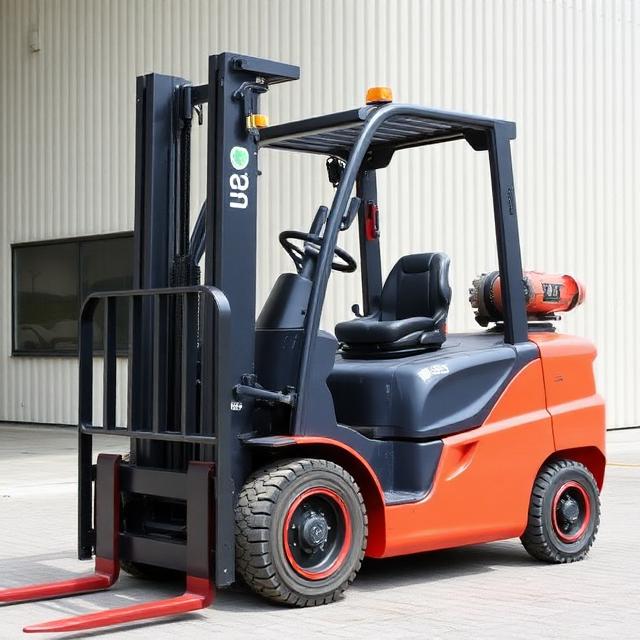
That’s why forklift training in Scarborough needs to go beyond basic instruction. Every day at CN Forklift Training, workers face cramped aisles that twist without warning. Sudden shifts in cargo weight keep them alert. There is no time for hesitation when shelves rise overhead and space shrinks. Choices happen fast – wrong moves cost too much. Pressure builds silently, then demands an answer.
For anyone seeking forklift training – or companies aiming to reduce job site risks – actual skill matters more than a piece of paper. What counts is how well someone handles the machine, not whether they passed a test.
Understanding Forklift Operator Training in Real Work Environments
Most people check licenses first. Yet knowing how training works matters more. Sure, driving a machine looks simple on paper. But every move needs sharp attention. Balance plays a big role too. Decisions happen fast. One slip can put others at risk. Each person behind the wheel carries that weight. Equipment safety ties directly to human caution.
In real-world environments, operators deal with:
- Narrow aisles and limited maneuvering space
- Pedestrian-heavy zones where visibility is restricted
- Changing floor conditions due to weather, spills, or debris
- Time-sensitive tasks that increase pressure and fatigue
This is where many basic training programs fall short—they don’t prepare operators for these variables. High-quality on demand forklift training in Scarborough bridges this gap by delivering training in realistic environments. Out on the floor, where work happens, people pick up new moves through real tasks – this sticks longer. Doing it live shapes routines that protect everyone.
What Forklift Certification Really Means for Safety
Jumping ahead without knowing about forklift certification misses the point entirely. Though many brush it off as just paperwork, it actually sets a baseline for staying safe on site. When someone has valid credentials, they are expected to run machinery without taking chances. Spotting danger comes naturally after proper training kicks in. Reacting well when things go wrong separates trained workers from everyone else.
What Does Forklift Certification Include?
1. Theory-Based Knowledge
Operators are trained in:
- Load stability and center of gravity
- Equipment limitations and safe operating capacity
- Workplace safety standards and responsibilities
- Hazard identification and prevention strategies
This theoretical foundation helps operators understand not just what to do, but why it matters.
2. Practical Skills Development
Hands-on training focuses on:
- Precise maneuvering in confined spaces
- Safe lifting, stacking, and transporting of loads
- Controlled braking and turning
- Managing unexpected shifts in load or environment
3. Competency Evaluation
Operators must prove they can:
- Maintain control under normal and challenging conditions
- Stay aware of surroundings at all times
- Make safe decisions quickly
Strong workplace forklift certification ensures that operators are evaluated on performance—not just attendance.
Certified Forklift Training That Matches Real Job Demands
Out on the floor, some certified forklift courses fall short. What sets a program apart? Real-world relevance matters most. Across Scarborough warehouses, workers deal with tight aisles, uneven loads, sudden stops – routines that classroom drills rarely capture.
- Mixed indoor and outdoor operations
- High-volume inventory movement
- Frequent equipment transitions
- Tight delivery timelines
Day-one readiness comes easier when training reflects real-world conditions, so new hires adapt faster once they start. Operators gain confidence quickly if what they learn lines up with actual work demands.
Forklift License Training in Scarborough for Employers and Individuals
For one person, learning demands differ from those of a group leader. When alone, priorities shift compared to guiding others through growth.
What Effective Training Looks Like
For individuals:
- Clear understanding of safety protocols
- Hands-on experience with real equipment
- Confidence in handling different load types
For employers:
- Consistent safety standards across all operators
- Reduced risk of accidents and equipment damage
- Improved workflow and operational efficiency
Real-World Example:
A Scarborough-based warehouse experienced repeated delays during loading operations. After implementing targeted forklift license training in Scarborough, operators improved load positioning accuracy, which reduced handling time and increased overall productivity.
Flexible and Results-Driven Forklift Training
Traditional training schedules don’t always fit operational demands. That’s why on demand forklift training in Scarborough is becoming increasingly popular.
Key Benefits of On Demand Training
- Training can be scheduled around operational needs
- Immediate skill gaps can be addressed
- Refresher sessions can be conducted without delays
- Learning is directly tied to real tasks
Because things change quickly, staying flexible keeps training useful. How well it works depends on adapting in real time.
Forklift Service in Scarborough: The Foundation of Safe Operation
Even the best training cannot compensate for poorly maintained equipment.
Why Maintenance Matters
Reliable forklift service in Scarborough ensures:
- Smooth handling and responsiveness
- Accurate lifting performance
- Reliable braking systems
- Reduced risk of sudden mechanical failure
Most times, operators keep working the same way even when machines act up. Little by little, those small adjustments stick around – long after fixes happen or new gear arrives.
Commercial Forklift Service in Scarborough: Reducing Downtime and Risk
For businesses, equipment reliability is directly tied to productivity.
Common Equipment Issues Seen in the Field
- Brake wear leading to delayed stopping
- Hydraulic leaks reducing lifting efficiency
- Tire wear affecting traction and stability
- Misaligned forks impacting load balance
Regular commercial forklift service in Scarborough prevents these issues, ensuring consistent performance and safer operation.
How the Training Process Works (Step-by-Step)
Starting with clear steps helps operators learn completely. What matters is how well they follow each part.
Step 1: Initial Assessment
Start by looking at how much practice the operator has had. Their specific duties matter just as much when deciding what they need. Equipment kind shows what tools fit best with their work.
Step 2: Theory Training
Cover safety guidelines, then move into understanding tools. Knowing what gear does matters just as much as spotting dangers. Watch for hazards while learning how things work together.
Step 3: Hands-On Practice
Operators perform:
- Load handling exercises
- Precision maneuvering
- Emergency response drills
Step 4: Performance Evaluation
Showing true skill matters most when handling live situations. Real ability stands clear through hands-on performance.
Step 5: Certification
Paperwork shows up just because rules say so, keeping track happens along the way. Each form fills a slot where proof matters later on down the line.
Common Training Mistakes (And How to Avoid Them)
Recognizing common mistakes helps improve training effectiveness.
Mistake 1: One-Time Training Approach
Solution: Schedule regular refresher sessions.
Mistake 2: Generic Training Programs
Solution: Tailor training to actual workplace conditions.
Mistake 3: Ignoring Equipment Differences
Solution: Train operators on the specific forklifts they use.
Mistake 4: Lack of Post-Training Support
Solution: Monitor performance and provide ongoing feedback.
Practical Tips from Our Industry Experience
- Always train using real equipment and environments
- Encourage open reporting of safety concerns
- Combine training with regular forklift service in Scarborough
- Reinforce safe habits through supervision
- Conduct periodic performance reviews
Expert Insights: How Experienced Operators Think
Experienced operators develop habits that go beyond standard training.
They:
- Anticipate potential hazards before they occur
- Adjust their driving based on load and environment
- Maintain constant awareness of surroundings
- Recognize early signs of equipment issues
Instincts matter more than step-by-step rules when people learn. Programs work better if they shape gut reactions, not only hand out instructions.
Serving Scarborough's Industrial and Commercial Sectors
Scarborough’s industrial landscape includes logistics centers, warehouses, and manufacturing facilities. Effective forklift training in Scarborough must adapt to:
- High-volume operations
- Mixed indoor/outdoor environments
- Fast-paced workflows
Because we know the area well, what you learn fits how things really work on the ground. Training sticks close to actual daily tasks, shaped by hands-on experience instead of theory alone.
Ongoing Safety and Continuous Learning
Training should be part of a long-term safety strategy.
To maintain performance:
- Explore workplace safety solutions that integrate training and compliance
- Follow internal blogs focused on forklift safety and efficiency
- Refer to safety authorities such as the Canadian Centre for Occupational Health and Safety (CCOHS) for updated guidelines
Training That Builds Real Confidence
Effective forklift training in Scarborough is about more than meeting requirements—it’s about preparing operators for real challenges. When training is practical, equipment is reliable, and operators are properly evaluated, the results are clear:
- Fewer workplace incidents
- Improved productivity
- Greater operator confidence
A well-trained operator from CN Forklift Training doesn’t just follow rules—they understand the environment, anticipate risks, and make better decisions every day.
All Over GTA & Ontario
- Mississauga
- Vaughan
- Brampton
- Etobicoke
- Scarborough
- Markham
- Toronto
- Hamilton
- Burlington
- Oakville
- Milton
- Kitchener
- Waterloo
- Cambridge
Frequently Asked Questions – CN Forklift Training
While certification typically lasts three years, refresher training should be conducted regularly—especially after incidents or changes in equipment or workflow.
It includes theory, hands-on training, and competency evaluation to ensure operators can safely handle real-world tasks.
Yes. It allows operators to train in real-time conditions, improving learning retention and practical application.
Regular commercial forklift service in Scarborough ensures equipment operates correctly, reducing the risk of accidents caused by mechanical failure.
Yes. Our workplace forklift certification programs can be tailored to specific environments, equipment, and operational risks.