
Forklifts are vital in industries like warehousing, construction, and logistics, but they also pose significant safety risks when operated improperly. This is why forklift training in Canada plays a crucial role in ensuring both operator competence and workplace safety. Proper training equips workers with the knowledge and skills required to handle equipment responsibly, reducing accidents and improving efficiency. In this blog, we’ll explore what forklift training involves, its importance, and how it contributes to safer work environments across industries.
What Is Forklift Training?
Forklift training is a structured program designed to teach individuals how to safely operate forklifts in different work environments. It combines theoretical knowledge with hands-on practical experience, ensuring operators understand both the mechanics of the equipment and the safety protocols required for its use.
A standard forklift course typically includes instruction on load handling, equipment inspection, hazard identification, and safe maneuvering techniques. Trainees also learn about workplace regulations and the importance of maintaining a valid forklift licence. This comprehensive approach ensures that operators are well-prepared to manage real-world challenges.
Types of Forklift Operator Training Courses
Classroom training focuses on theoretical aspects such as safety regulations, equipment components, and operational guidelines. This part of forklift operator training courses helps trainees understand the risks associated with forklift operation and how to mitigate them effectively.
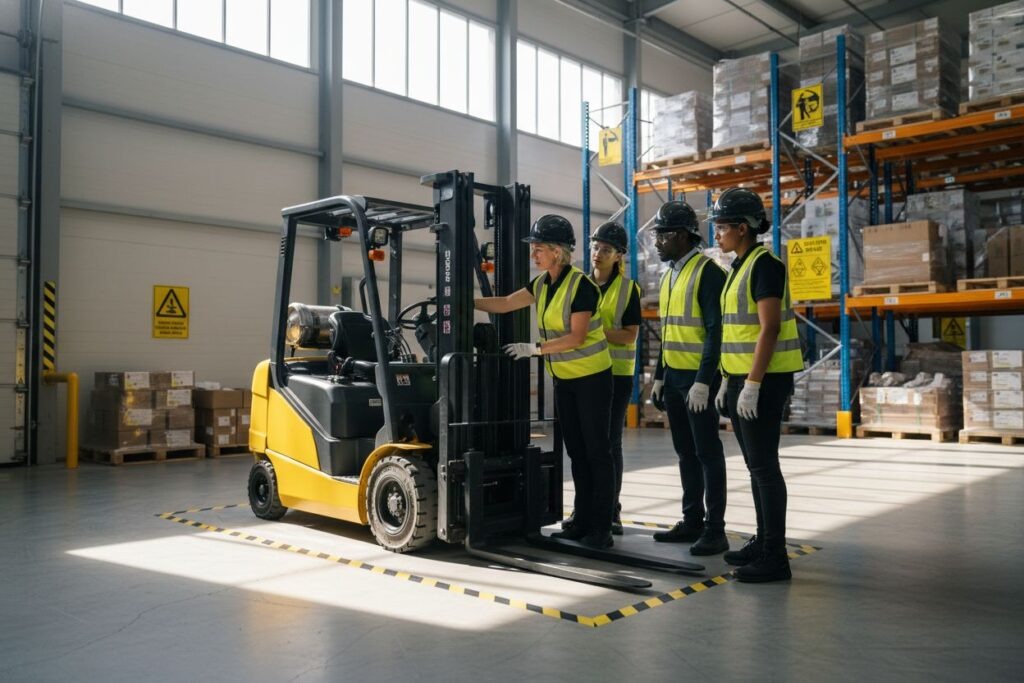
Hands-on training allows trainees to operate forklifts under supervision. This practical experience is essential for building confidence and ensuring that operators can apply their knowledge in real-life scenarios.
Many companies opt for on-site forklift training programs tailored to their specific workplace environment. This ensures that employees are trained using the exact equipment and conditions they will encounter daily.
Understanding Forklift Certification and Licensing
A forklift certification is proof that an operator has successfully completed training and demonstrated competency in operating a forklift safely. It is often a legal requirement in many workplaces across Canada.
Holding a valid forklift licence ensures that operators meet safety standards and are authorized to handle equipment. Employers are responsible for verifying that their workers have the necessary credentials before allowing them to operate forklifts.
Forklift certification is not permanent. Operators must undergo periodic refresher courses to maintain their skills and stay updated with safety regulations. This ongoing learning process is critical for maintaining workplace safety.
Why Forklift Training Is Essential for Workplace Safety
One of the primary benefits of forklift training is the reduction of workplace accidents. Proper training helps operators understand how to handle loads safely, avoid collisions, and navigate tight spaces without causing harm.
Training builds confidence among operators, enabling them to perform tasks efficiently without hesitation. Confident operators are less likely to make errors that could lead to accidents.
Employers must adhere to strict safety regulations, and providing forklift safety certification in Canada ensures compliance with these standards. This not only protects employees but also helps businesses avoid legal penalties.
Key Components of a Forklift Training Program
Operators are trained to inspect forklifts before use, identifying any potential issues that could compromise safety. Regular maintenance checks are essential for preventing mechanical failures.
Proper load handling is a critical aspect of forklift training. Operators learn how to balance loads, secure materials, and transport goods without causing damage or instability.
Training programs emphasize the importance of recognizing workplace hazards and implementing risk management strategies. This includes understanding blind spots, pedestrian safety, and environmental factors.
Benefits of Certified Forklift Training in Canada
Well-trained operators can perform tasks more efficiently, reducing downtime and increasing overall productivity. This makes forklift training in Canada a valuable investment for businesses.
Workplaces with trained operators often experience fewer accidents, which can lead to lower insurance premiums. Insurance providers recognize the value of proper training in reducing risk.
Employees who receive proper training feel more valued and confident in their roles. This leads to higher job satisfaction and improved workplace morale.
Common Mistakes Avoided Through Forklift Training
Without proper training, operators may mishandle loads, leading to accidents or damaged goods. Training ensures that operators understand the correct techniques.
Untrained operators may overlook safety guidelines, putting themselves and others at risk. forklift certification reinforces the importance of following established protocols.
Understanding how a forklift operates is essential for safe use. Training programs provide in-depth knowledge of equipment functionality, reducing the likelihood of errors.
Choosing the Right Forklift Training Program
When selecting a training program, it is important to ensure that it meets industry standards and provides certified forklift training in Canada. Accredited programs guarantee quality instruction and recognized certification.
Qualified instructors play a crucial role in delivering effective training. Experienced trainers can provide valuable insights and practical tips that enhance learning.
Many training providers offer flexible schedules and customized programs to suit different business needs. This makes it easier for companies to train their employees without disrupting operations.
The Role of Employers in Forklift Safety
Employers have a responsibility to ensure that their workers receive proper training and maintain valid certifications. Providing access to forklift safety certification in Canada demonstrates a commitment to employee safety and regulatory compliance.
Additionally, employers should create a safety-first culture by encouraging ongoing training and regular equipment inspections. This proactive approach helps prevent accidents and fosters a safer work environment.
How CN Forklift Training Supports Workplace Safety
Organizations like CN Forklift Training play an important role in delivering high-quality training programs that meet industry standards. By focusing on both theoretical knowledge and practical skills, CN Forklift Training ensures that operators are well-prepared to handle real-world challenges safely.
Their training programs are designed to address the specific needs of various industries, making them a reliable choice for businesses seeking comprehensive forklift training solutions.
Conclusion: Investing in Safety and Skill Development
In today’s fast-paced industrial environment, proper training is not just a requirement—it is a necessity. Investing in forklift training in Canada helps businesses protect their employees, improve efficiency, and maintain compliance with safety regulations.
By choosing reputable providers like CN Forklift Training, companies can ensure that their workforce is equipped with the skills and knowledge needed to operate forklifts safely. Ultimately, prioritizing training leads to a safer, more productive workplace where both employees and businesses can thrive.
Don't see your city? We provide on-site training throughout Ontario. Contact us for availability.