
Looking for a counterbalance forklift course in Mississauga that prepares you for real warehouse and material handling work? CN Forklift Training offers practical Counterbalance Forklift Training for individuals and companies that need safe operation, hands-on learning, and certification support.
This guide explains what a counterbalance forklift is, where it is used, what you learn in our course, why certification matters, how long the training takes, and how it can support job opportunities in Ontario and across Canada.
What Is a Counterbalance Forklift?
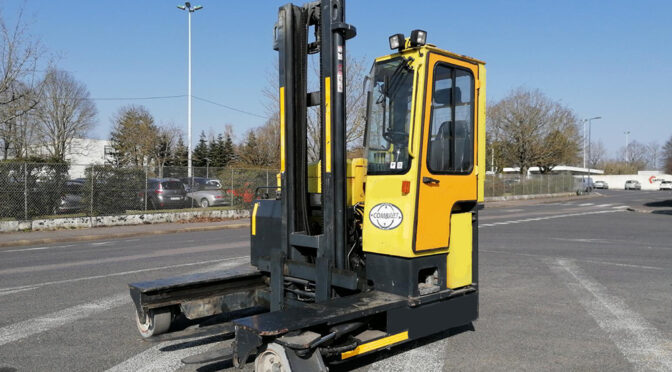
A counterbalance forklift is a powered lift truck with forks at the front and a counterweight at the back. The counterweight balances the load being lifted at the front, helping the forklift stay stable during lifting, moving, loading, and unloading.
Counterbalance forklifts are one of the most common forklift types used in warehouses, shipping areas, factories, distribution centres, and outdoor yards. Depending on the workplace, they may be electric, propane, diesel, sit-down, cushion tire, or pneumatic tire forklifts.
What Is a Counterbalance Forklift?
A counterbalance forklift has several key parts that operators must understand before using the equipment:
- Forks or tynes for lifting pallets and materials
- Mast for raising and lowering loads
- Counterweight for balancing the load
- Load the backrest for supporting materials
- Capacity plate or data plate for load limits
- Operator controls for steering, lifting, tilting, and travelling
- Overhead guard for operator protection
In our Counterbalance Forklift Course, students learn how these parts work together and why they matter during daily operation.
Where Is a Counterbalance Forklift Used?
Counterbalance forklifts are used in workplaces where materials need to be lifted, moved, stacked, loaded, or unloaded. They are common because they can handle many general material handling tasks in open warehouse areas, dock spaces, storage yards, and industrial facilities.
You will often see counterbalance forklifts in:
- Warehouses
- Distribution centres
- Shipping and receiving departments
- Loading docks
- Manufacturing plants
- Construction supply yards
- Building material suppliers
- Logistics facilities
- Retail stockrooms
- Outdoor industrial yards
Why is counterbalance forklift training useful in these workplaces?
Counterbalance forklift training is useful because these workplaces often involve moving loads around people, racks, trucks, pallets, ramps, dock plates, corners, and storage areas. Operators need to understand how to control the forklift, check the load, watch for pedestrians, and move safely through active work areas.
At CN Forklift Training, our course focuses on the kind of skills operators need in real workplaces, not only classroom knowledge.
What Will You Learn in Our Counterbalance Forklift Course?
In CN Forklift Training’s Counterbalance Forklift Course, students learn both theory and practical operation. The theory helps you understand safety, equipment, and operator responsibility. The practical part helps you build control and confidence on the forklift.
The course is designed for beginners, workers upgrading their skills, job seekers, and companies that need trained forklift operators.
What do you learn in the theory part of the course?
The theory section explains how counterbalance forklifts work and what operators must understand before using the equipment.
Students learn about:
- Forklift parts and controls
- Operator responsibilities
- Stability triangle
- Load centre
- Rated capacity
- Capacity plate or data plate
- Pre-shift inspection
- Workplace hazards
- Blind spots
- Pedestrian awareness
- Safe speed
- Stopping distance
- Ramps and inclines
- Dock areas and trailer loading
- Safe parking and shutdown
These topics help students understand the reasons behind safe operation. For example, load centre and rated capacity explain why a forklift can become unstable if the load is too heavy, too high, uneven, or handled incorrectly.
What do you learn in the practical part of the course?
The practical section gives students supervised hands-on training with the forklift. This is where students apply what they learned in theory and show that they can operate the machine with control.
Students practise:
- Starting and stopping the forklift
- Steering and turning
- Moving forward and reversing
- Checking the surroundings before moving
- Lifting and lowering loads
- Travelling with a load
- Placing and removing loads
- Stacking and unstacking
- Parking the forklift safely
- Completing a practical evaluation
A simple way to remember the operating process is:
Inspect → Plan → Lift → Travel → Place → Park
This helps students think through the full task instead of only focusing on moving the forklift.
Why Do You Need Counterbalance Forklift Certification?
You need counterbalance forklift certification because employers must make sure forklift operators are trained, evaluated, and competent to use the equipment safely. In Ontario, forklift operators are expected to receive proper instruction before operating powered lift trucks in the workplace.
Our counterbalance forklift certification course in Ontario helps students build the safety knowledge, equipment understanding, and hands-on skills needed for counterbalance forklift operation.
What does certification show?
Certification helps show that a student has completed structured forklift training and has been evaluated on key operating skills.
It may support:
- Job applications
- Workplace safety requirements
- Employer training records
- Operator skill development
- Refresher or recertification needs
- Company safety programs
Is forklift certification the same as a forklift licence?
Many people use the term forklift licence because that is how they search online. In practical workplace terms, most learners are looking for forklift training, certification, a wallet card, or a training record.
If you are searching for a counterbalance forklift licence course in Burlington, the course should include theory, hands-on practice, evaluation, and proof of completion. The main purpose is to help you show that you have completed counterbalance forklift training and understand safe operation.
What Job and Earning Opportunities Can You Get After This Course?
Counterbalance forklift training can help you become more prepared for warehouse, logistics, manufacturing, shipping, receiving, and material handling jobs. Many workplaces use counterbalance forklifts to move pallets, unload trucks, organize inventory, and support daily operations.
This course may support roles such as:
- Forklift operator
- Warehouse associate
- Material handler
- Shipping and receiving associate
- Dock worker
- Inventory associate
- Logistics worker
- Manufacturing support worker
- Distribution centre worker
How can the course help with job readiness?
The course helps you understand the language and expectations of forklift work. Employers often want workers who understand load handling, safety checks, pedestrian awareness, warehouse movement, and basic equipment control.
Forklift operator earnings can vary by province, employer, experience, shift, and equipment type. A trained operator with safe habits and practical confidence may be better prepared for roles where forklift operation is part of the job.
At CN Forklift Training, the goal is to help students leave with more than a certificate. The goal is to help them understand the equipment, the safety expectations, and the workplace habits employers look for.
How Long Does Our Counterbalance Forklift Course Take?
CN Forklift Training’s Counterbalance Forklift Course can often be completed in 1–2 days, depending on the student’s experience, course format, class size, and practical evaluation needs.
Beginners may need more guided practice because they are learning the controls, movement, safety checks, and load handling from the start. Experienced operators may complete training faster, but they still need to complete the required theory and practical evaluation.
What affects the course duration?
Course duration may depend on:
- Beginner or experienced operator level
- Individual or group training
- In-class or on-site training
- Practical evaluation time
- Equipment availability
- Company scheduling needs
- Number of students in the session
CN Forklift Training offers flexible options for individuals and companies that need training arranged around schedule, location, or team requirements.
Can Companies Book On-Site Counterbalance Forklift Training?
Yes. Companies can book on-site counterbalance forklift training with CN Forklift Training. On-site training allows employees to train in the same workplace where they operate, using the same equipment, layout, traffic paths, dock areas, and working conditions.
This can be helpful for companies that need forklift training for multiple workers, new hires, warehouse teams, or employees who need refresher training.
When is on-site forklift training useful?
On-site training is useful when a company has:
- Active warehouse traffic
- Busy loading docks
- Mixed pedestrian and forklift areas
- Outdoor operating surfaces
- Tight turning spaces
- Trailer loading tasks
- Multiple shifts
- Several employees needing training
- Workplace-specific hazards
Companies looking for counterbalance forklift training and licence course in Burlington, Toronto or nearby cities can contact us to discuss on-site training options for their team.
Should You Take Only Counterbalance Training or Add Other Forklift Courses?
Counterbalance forklift training is a strong starting point for many warehouse and material handling roles. Some workplaces also use other equipment, so additional training may be useful depending on your job goal or company requirement.
| Course | Best For | Why Add It? |
| Counterbalance Forklift | Loading, unloading, stacking, and general material handling | Useful for many warehouse and industrial roles |
| Reach Truck | Narrow aisles and high racking | Helpful for distribution centres and racking systems |
| Order Picker | Picking products at height | Useful for warehouse picking roles |
| Walkie / Electric Pallet Truck | Moving pallets across floors | Helpful for dock, retail, and warehouse work |
| Dock Stocker | Loading dock and warehouse movement | Useful for dock-based material handling |
| Scissor Lift / Aerial Lift | Elevated access work | Helpful for maintenance and industrial work |
How do you choose the right forklift course?
Choose the course based on the equipment used in the job you want. If you want general forklift work, counterbalance training is a practical first step. If the workplace uses narrow aisles, high racking, or picking systems, reach truck or order picker training may also help.
Our instructors can guide students and companies toward the right course combination based on job goals, workplace equipment, and training needs.
Where Can You Take CN’s Counterbalance Forklift Course?
CN Forklift Training offers Counterbalance Forklift Training from our Mississauga location and supports learners and companies across the GTA, Ontario, and Canada through flexible course options and on-site training.
Our service areas include Mississauga, Toronto, Burlington, Brampton, Oakville, Vaughan, Hamilton, Etobicoke, Scarborough, Markham, Milton, Kitchener, Waterloo, Cambridge, and surrounding regions.
Whether you need a counterbalance forklift course in Mississauga or a counterbalance forklift certification course in Ontario, CN Forklift Training can help you choose the right course format for your schedule, workplace, or job goal.
Ready to Book Your Counterbalance Forklift Course With CN Forklift Training?
If you want practical counterbalance forklift training, hands-on learning, and certification support, CN Forklift Training is ready to help you get started.
Book your Counterbalance Forklift Course with CN Forklift Training today. Call now to check upcoming course availability, certification details, pricing, and on-site training options for individuals or company teams.
FAQs
What is included in CN’s Counterbalance Forklift Course?
The course includes theory training, practical operation, safety instruction, pre-shift inspection guidance, load handling practice, and practical evaluation.
Do I need certification to operate a counterbalance forklift in Ontario?
Yes. Operators need proper training, evaluation, and documentation before using a counterbalance forklift in the workplace.
How long does the Counterbalance Forklift Course take?
The course can often be completed in 1–2 days, depending on experience level, course format, and practical evaluation needs.
Can beginners take this Counterbalance Forklift Course?
Yes. Beginners can take the course. The training covers equipment basics, safety rules, controls, inspections, and supervised practical operation.
Can I book counterbalance forklift training in Toronto?
Yes. CN Forklift Training supports learners and companies looking for counterbalance forklift training in Toronto, including possible on-site training options.
Should I take reach truck training along with counterbalance forklift training?
It depends on your job goal. Counterbalance training is useful for general forklift work, while reach truck training is helpful for narrow aisles and high racking.