
We integrate instruction in the classroom with practical learning to ensure that you not only know how systems operate, but why they are important. Our mission is to make you adopt reliable practices that will aid in safety and work performance.
Fall Arrest – Understanding Risk Before It Becomes an Accident
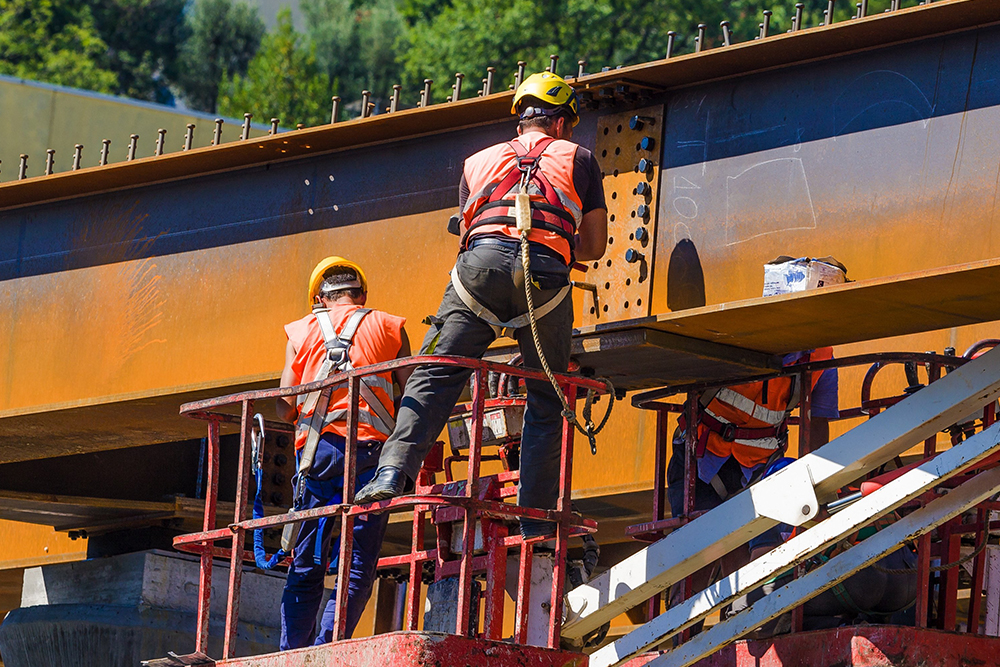
Working at height introduces multiple hazards that can change quickly depending on surfaces, weather, and task requirements. We focus on helping you recognize unsafe conditions early so corrective action can be taken before an incident occurs. Our instruction helps you evaluate surroundings, anticipate movement challenges, and identify unsafe positioning. This awareness supports better planning and reduces the likelihood of sudden loss of balance or uncontrolled movement.
Identifying Hazards in Elevated Work Areas
At CN Forklift Training, you learn how to assess surface stability, edge exposure, equipment placement, environmental conditions, and worker positioning. Understanding these factors allows you to make informed decisions that reduce risk during daily operations.
Fall Arrest System Training – Learning How Protective Equipment Saves Lives
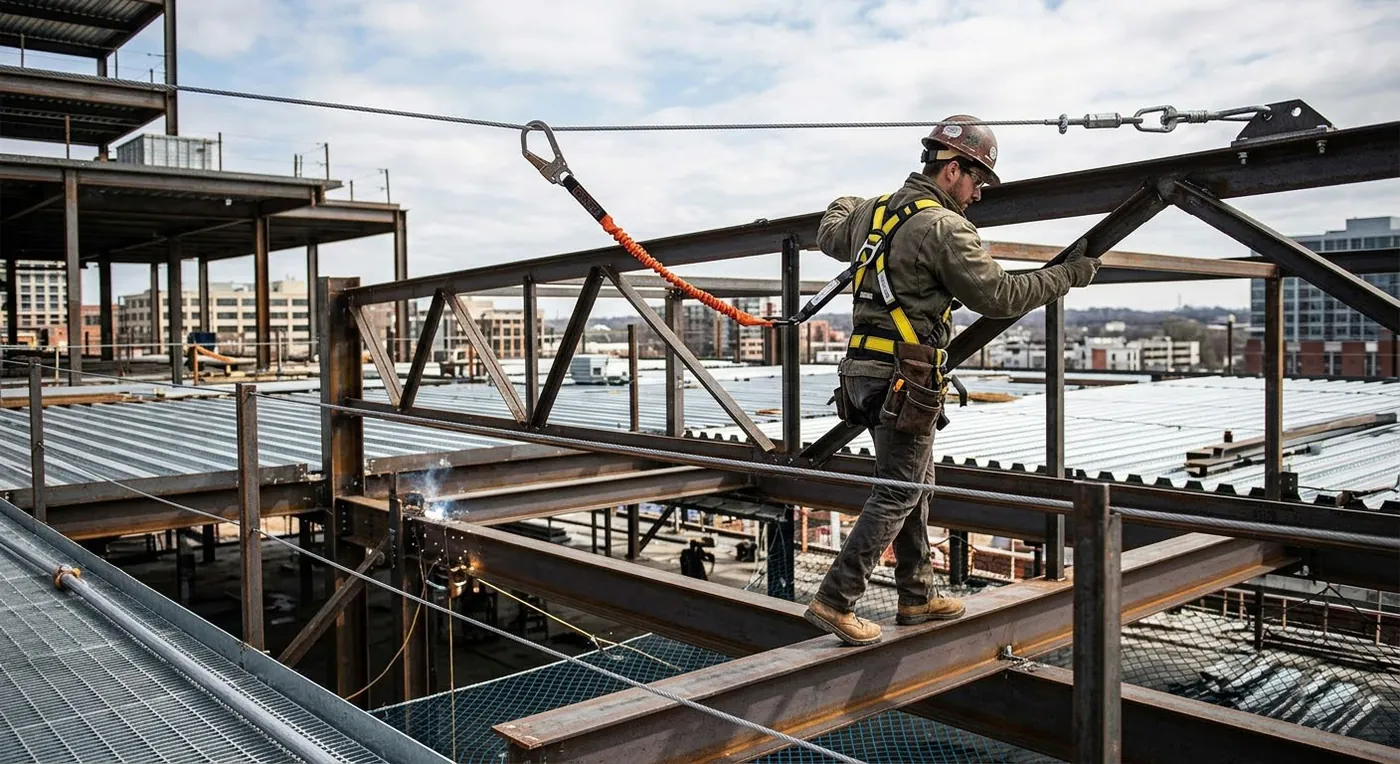
Protective systems are only effective when they are selected, worn, and maintained properly. Our fall arrest system training explains how equipment functions together to reduce injury severity and limit fall distance. You gain a clear understanding of how harnesses, connectors, and anchor points work as one complete system. This helps ensure equipment is used as intended rather than as separate components.
Equipment Knowledge with Practical Application
Training covers harness fitting and adjustment, anchor point selection, connector compatibility, lanyard and lifeline use, and inspection routines. Hands-on practice ensures that correct setup becomes familiar and repeatable in real work situations.
Safety Certification – Building Trust Through Verified Skills
A certification acts as an assurance that you are conversant with safety duties and adopted work standards. Your knowledge and practice in proper use of procedures are both certified in our fall protection certification course. Certification is not just a matter of paperwork. It shows a degree of competence that the employer can count on when delegating tasks where one is required to work at a high level.
Why Credentials Matter in High-Risk Environments
Certification supports:
- Clear proof of training
- Consistent safety practices
- Legal compliance awareness
- Reduced accident likelihood
- Improved workplace confidence
The assessments are not limited to theory but are based on actual conditions.
Height Safety Fall Protection Training That Fits Real Job Demands
Each worksite has its challenges such as uneven platforms and restricted movement space. Our height safety fall protection training equips you with these variables as the training concentrates on balance, positioning, and movement control. You learn how to work safely without interrupting productivity. Training scenarios reflect actual tasks rather than idealized conditions.
Practical Techniques for Daily Work Conditions
Instruction includes:
- Controlled movement methods
- Safe climbing practices
- Equipment positioning
- Communication awareness
- Emergency readiness
These techniques support stable work habits and predictable performance.
Why Height Safety Training for Workers Improves Productivity
Safe performance largely relies on confidence. Height safety training for workers reduces hesitation and uncertainty by ensuring you understand exactly how to move, position equipment, and maintain balance. The more skillful you are, the less time you have to spend on delays due to errors or unsafe modifications. This enables continuous operation of work with the preservation of safety standards.
Training Built Around Industry Expectations
At CN Forklift Training, we structure our programs to reflect common work environments in construction, maintenance, warehousing, and industrial facilities. Instruction is based on typical tasks rather than isolated demonstrations.
Skills You Can Develop
- Risk identification
- Safe positioning
- Equipment compatibility
- Hazard reporting
- Procedure consistency
These abilities support compliance while improving overall job reliability. They also help you adapt to site-specific rules, coordinate with coworkers, and maintain steady performance during routine and high-demand tasks.
Hands-On Learning for Long-Term Retention
Practice reinforces understanding. Our sessions combine explanation with guided activity so knowledge becomes instinctive rather than theoretical.
Training includes:
- Equipment handling
- Safety system application
- Movement control exercises
- Risk recognition drills
- Scenario-based problem solving
This approach helps you react correctly under real working conditions.
Supporting Workplace Compliance and Personal Responsibility
Modern safety standards rely on both employer guidance and individual accountability. We help you understand how your actions influence overall site safety.
You gain:
- Strong hazard awareness
- Consistent inspection habits
- Practical prevention skills
- Improved teamwork awareness
- Clear safety communication
These qualities strengthen your role within any work environment.
Adapting Safety Skills to Changing Work Environments
Different sites require different approaches. Our training teaches you how to adjust techniques when surfaces, structures, or equipment change. You build practical awareness that supports safer movement and better judgement across unfamiliar conditions. This helps you stay focused and adaptable even when site layouts or tasks shift unexpectedly.
You learn to:
- Modify movement strategies
- Reassess anchor locations
- Interpret environmental risks
- Maintain equipment compatibility
- Apply consistent procedures
This flexibility allows your skills to remain useful across varied projects and encourages responsible decision-making regardless of workplace setting.
Emergency Awareness and Incident Preparedness
Although prevention is the goal, preparation is essential. We help you understand how to respond if a fall or equipment failure occurs. Training emphasizes staying calm, following clear procedures, and recognizing limitations during emergencies. You gain confidence in managing stressful situations without panic or delay.
You develop awareness of:
- Incident recognition
- Immediate response actions
- Communication procedures
- Equipment limitations
- Reporting responsibilities
Preparedness reduces confusion and improves outcomes during unexpected events while supporting a safer and more controlled work environment.
What Separates CN Forklift Training from Others
At CN Forklift Training, we focus on realistic instruction, clear explanations, and practical application. Our training supports safer work habits, stronger awareness, and dependable performance at height. You benefit from structured lessons that reflect real job demands rather than abstract concepts. We also design our sessions to suit different experience levels, ensuring new and experienced workers gain relevant knowledge they can immediately apply on site with confidence.
Build Safer Skills for the Work You Do
When work takes place above ground level, preparation is essential. Our programs help you understand risks, apply correct methods, and maintain confidence while working at elevation. By building awareness and practicing safe techniques, you protect both your health and your professional future. You also improve your ability to respond calmly to unexpected conditions, helping reduce errors and maintain steady productivity across varied working environments.
You also strengthen your performance through
- Improved balance and controlled movement
- Clear hazard recognition and response
- Consistent use of approved safety systems
FAQs
Our training combines classroom learning and practical exercises, usually completed within one day depending on experience level and workplace safety requirements for different job roles.
2: Who should enroll in this fall protection program?
Workers involved in construction, maintenance, or industrial tasks at height benefit from structured instruction that improves awareness, technique, and compliance with safety standards.
3: What safety skills are taught during training?
You learn hazard recognition, equipment inspection, anchor selection, and rescue awareness through our fall arrest system training, helping reduce accident risks during elevated tasks.
4: Why is certification important for employers and workers?
Certification proves operators understand proper procedures, equipment use, and hazard control, supporting regulatory compliance and safer work practices across different industries and environments.
5: When should refresher training be completed?
Refresher sessions are recommended after equipment changes, site condition updates, or incidents to keep knowledge current and reinforce correct fall protection practices.
Take the Next Step Toward Safer Work at Height
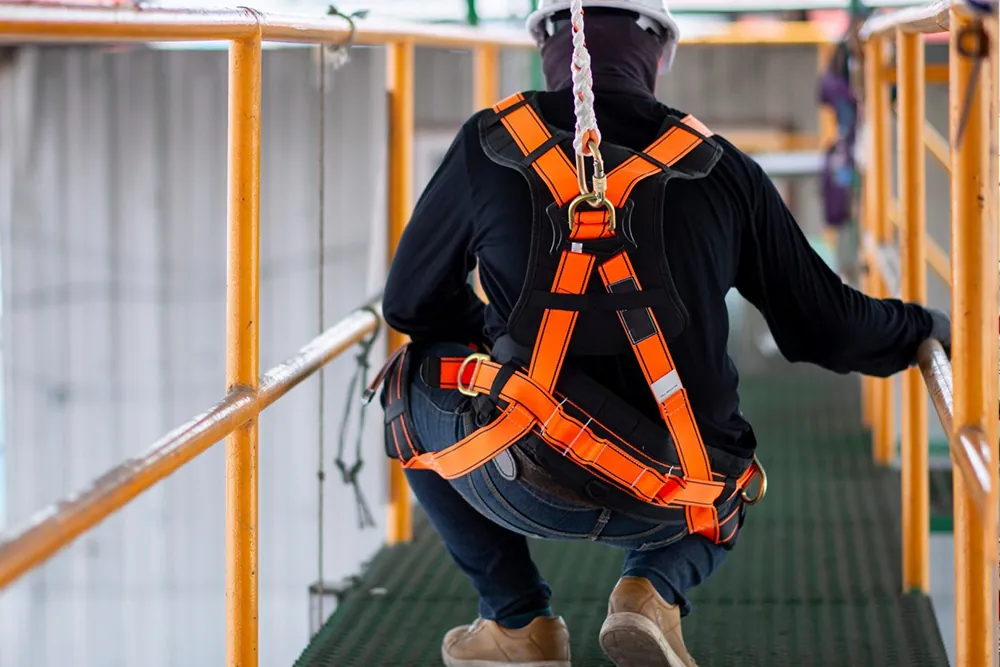
If you want instruction that improves safety, consistency, and confidence, CN Forklift Training is ready to support you. Our fall protection training in Canada helps you manage risk responsibly while strengthening everyday work performance. Develop stronger safety habits today and improve how you work in elevated environments. Ongoing learning encourages better decision-making, clearer teamwork, and long-term reliability, supporting both personal development and safer outcomes across your workplace.


