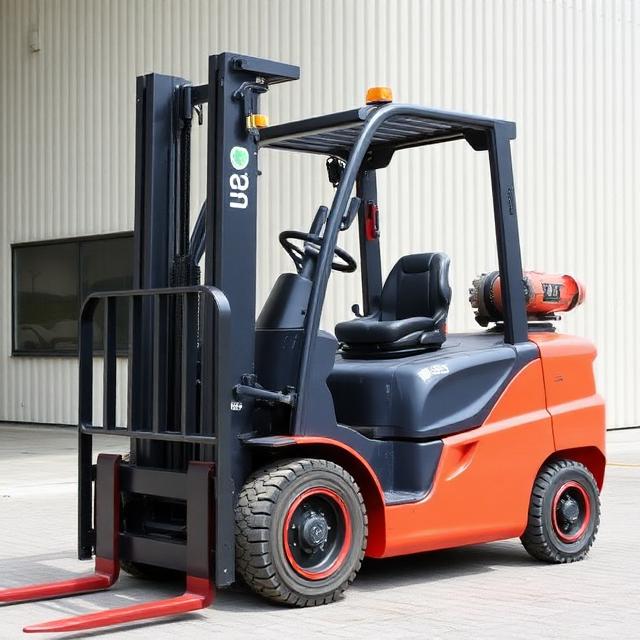
Understanding Forklift Training — Why It Matters More Than You Think
Most people think driving is the main part of forklift work – but it goes much deeper. Handling loads comes down to balance, rules, and staying alert at all times. Instead of just sitting in a classroom, learners practice on-site where conditions change fast. Each session shows how weight shifts affect movement, especially when space shrinks around corners. When surprises happen, like a sudden obstacle, reaction speed matters most.
Real-World Insight
Most accidents at work aren’t due to ignorance – overconfidence plays a bigger role. Skipping steps creeps in when someone feels too sure of themselves. Take one worker hurrying through a job: they might overlook weight restrictions just by moving fast. Blind spots get missed the same way, without pause. Discipline grows stronger each time training repeats safe moves. Habits form slowly, yet stop errors before they start. CN Forklift Training emphasizes practical learning scenarios that mirror real job conditions, ensuring trainees are prepared beyond the classroom.
Forklift Operator Certification in Vaughan — What You Gain
Achieving certification does more than check a box for work rules – it shapes how likely you are to land a role, earn respect on site, plus follow critical safety practices.
Key Benefits of Certification
- Proof of professional competence
- Increased job opportunities across industries
- Better understanding of workplace safety protocols
- Reduced risk of accidents and liability
- Confidence in handling different forklift types
Employers prefer certified operators because they require less supervision and contribute to safer work environments. CN Forklift Training ensures that certification reflects real capability, not just theoretical knowledge.
Workplace Forklift Training in Vaughan — Tailored for Real Environments
Workplaces come in many shapes. Not one looks like the next. Picture a warehouse – its rhythm isn’t the same as boots on a construction zone. Each place hums with its own kind of trouble. When it comes to workplace forklift training in Vaughan, it focuses on adapting skills to specific job conditions.
What Makes Workplace Training Effective
- Site-specific hazard identification
- Customized training based on equipment type
- Focus on real workflow conditions
- Practical exercises in actual working environments
Practical Example
Turning tight corners takes sharp control when space runs low between shelves. Rough ground outside changes everything – balance shifts, timing too. Through focused lessons, CN Forklift Training shapes how workers handle these distinct challenges. Each situation demands its own rhythm, learned step by step.
Industrial Forklift Service in Vaughan — Supporting Operational Efficiency
Heavy machinery runs better when operators know what they’re doing. Mistakes at the wheel? That means parts break sooner, problems pop up more often, then bills stack higher down the road.
Why Training Impacts Equipment Longevity
- Proper handling reduces mechanical stress
- Correct load management prevents damage
- Smooth operation extends equipment lifespan
- Early detection of faults avoids breakdowns
Warning signals on machinery become easier to spot when workers go through the CN Forklift Training program. This kind of awareness keeps machines running without long pauses that hurt productivity.
Service Overview — What Training Covers
A comprehensive forklift operator certification program includes:
- Safety regulations and compliance standards
- Equipment inspection and maintenance basics
- Load handling and balance techniques
- Hazard awareness and risk management
- Practical driving and maneuvering skills
- Emergency response procedures
This structured approach ensures trainees develop both technical ability and situational awareness.
How the Training Process Works
Starting with one clear part after another brings understanding into view. Learning moves forward when each piece follows the next without gaps.
Step 1: Theory Session
From day one, new learners get clear on how to stay safe, follow rules, plus handle basic operations. That knowledge becomes their starting point when doing real tasks.
Step 2: Equipment Familiarization
Understanding controls, functions, and inspection procedures ensures operators are comfortable before handling machinery.
Step 3: Practical Training
Hands-on exercises simulate real work conditions, including load handling, turning, and navigation.
Step 4: Evaluation
Operators are assessed on both knowledge and performance to ensure readiness.
Step 5: Certification
Successful trainees receive forklift operator certification in Vaughan, confirming their competence.
At CN Forklift Training, we follow this structured method to ensure consistency and measurable results.
Common Challenges in Forklift Operations (And Solutions)
Most problems at work do not just pop up out of nowhere. Tiny mistakes pile up when habits drift and know-how falls behind. Spotting trouble while it is still small gives companies room to fix things – before someone gets hurt or output drops.
Lack of Awareness
Solution: Reinforce safety training and regular refreshers
Improper Load Handling
Solution: Focus on balance, weight distribution, and limits
Workplace Hazards
Solution: Conduct site-specific risk assessments
Equipment Misuse
Solution: Train operators on correct machine usage and limitations
When mistakes happen, they usually come from missing knowledge, not poor motivation. Fixing what people don’t know makes work safer while also speeding things up.
Common Mistakes to Avoid
Even small errors with forklifts could usually be avoided, but still happen because people rush or trust their luck too much. Spotting these habits early keeps drivers focused, turning each shift into a steadier, calmer flow of tasks.
- Skipping pre-operation inspections
- Ignoring load capacity limits
- Driving too fast in confined spaces
- Failing to communicate in shared environments
- Relying on experience instead of updated training
Over time, even those who know their way around can pick up quirks – refreshing skills helps reset them.
Expert Tips from Industry Experience
Out there where things actually happen, it is usually the hands-on know-how that shifts results the most. Doing these routines regularly? That smooths work flow, lessens machine strain, keeps people out of harm’s way – no matter how tough the environment gets.
- Always inspect equipment before use
- Maintain clear visibility while operating
- Keep loads stable and low while moving
- Communicate clearly in busy environments
- Stay updated with safety regulations
These small but consistent actions significantly reduce workplace incidents.
Why Choose CN Forklift Training
Choosing the right provider for forklift training in Canada directly affects learning outcomes and workplace readiness.
What Sets CN Forklift Training Apart
- Practical, hands-on learning approach
- Experienced instructors with real industry exposure
- Clear and structured training modules
- Focus on safety and long-term skill development
- Certification aligned with workplace requirements
CN Forklift Training prioritizes real-world readiness over theoretical completion, ensuring trainees leave fully prepared.
Location Relevance — Forklift Operator Training in Vaughan
Busy factories and businesses in Vaughan need more trained people to run forklifts. Because of this, warehouses, shipping centers, and building zones look for workers with proper certification – people who move loads without risk. Knowing local rules matters just as much as skill on the job. That is why courses shaped around area needs make a difference. Programs at CN Forklift Training adjust to what employers actually ask for nearby.
Continuous Learning and Skill Development
Every now and then, forklift training needs another look. When machines shift or job sites transform, keeping up matters more than ever. Instead of letting skills fade, workers sharpen them through regular touch-ups in class. Over months, those updates add up – safer moves, smoother work, clearer paths forward. Fewer mishaps appear when practice stays fresh.
Build a Safer Workplace Through Forklift Safety Training
When one person pays attention, everyone benefits. A team that learns together stays sharp, because careful work slows down problems while keeping things moving smoothly.
Employers who invest in proper training often see:
- Reduced accident rates
- Lower equipment damage costs
- Improved workflow efficiency
- Higher employee confidence
With every session, CN Forklift Training matches strict safety rules to how work actually happens on site. A solid fit between guidelines and daily tasks comes through focused learning steps. Because routines must follow regulations without slowing down output. Each program adjusts to what drivers face when moving loads. Safety stays sharp while keeping pace with job demands.
Start Your Forklift Training Journey with Confidence
Forklift operation is a skill that demands responsibility, precision, and continuous learning. With the right forklift training in Vaughan, operators not only meet job requirements but also build long-term career stability. Start strong with CN Forklift Training – hands on practice meets know how that actually fits the job world, then walk away certified in skills you can show not just talk about. Done properly, learning lifts safety numbers while self assurance builds alongside new doors opening one after another.
All Over GTA & Ontario
- Mississauga
- Vaughan
- Brampton
- Etobicoke
- Scarborough
- Markham
- Toronto
- Hamilton
- Burlington
- Oakville
- Milton
- Kitchener
- Waterloo
- Cambridge
Frequently Asked Questions – CN Forklift Training
Training typically takes one to two days, depending on experience level. Programs include both theory and practical sessions to ensure complete understanding and skill development.
Yes, most workplaces require certified operators to meet safety regulations and reduce liability risks. Certification proves competency and ensures compliance with workplace standards.
Absolutely. Our training programs are designed for beginners as well as experienced operators needing certification or refresher courses.
Training usually includes counterbalance forklifts, reach trucks, and other commonly used industrial equipment, depending on workplace requirements.
Refresher training is recommended every three years or sooner if workplace conditions change or unsafe practices are observed.