

Forklift Training Mississauga, Toronto & Brampton – Certification Courses Centre
CN Forklift Training Centre provides forklift training and certification courses in Mississauga, Toronto & Brampton, Ontario. Get a forklift license from a professional trainer – Call (905)-405-0001
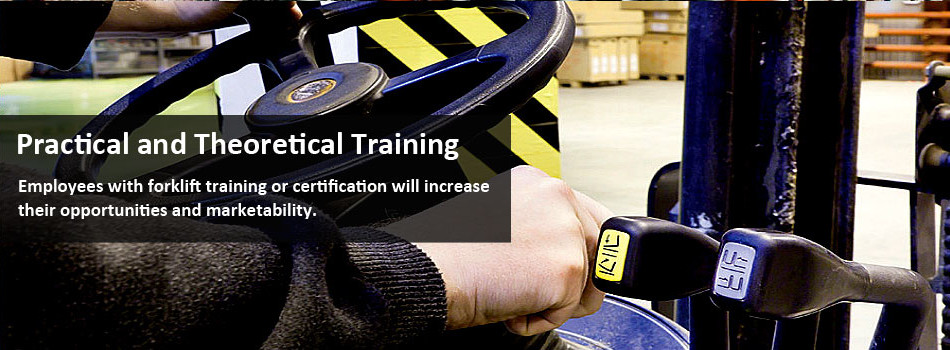
Our Forklift Courses include Refresher Courses, Pre-operation checklist training, Practical training, theoretical training, WHMIS training, Fall Prevention/Protection Training.
Forklift Training Courses
Forklift Training Licence Certificate Toronto Mississauga Brampton
We are the Forklift Training School in Canada, offering comprehensive hands-on training for all levels of forklift operators.
Our comprises of experienced people who have been associated with Safety & Operator Training for many years.
Our Training Programs are interactive in nature & designed to suit the need of the Industry. Special programs are meticulously tailored for specific individual requirements after studying on-site details.
Why Choose Us
Forklift Training Licence Certificate Toronto Mississauga Brampton
- CLASS A Compressed Gas
- CLASS B Flammable and Combustible Materia
- CLASS C Oxidizing Materials
- CLASS D-1 Poisonous and Infectious Material
- CLASS D-2 Poisonous and Infectious Material
- CLASS D-3 Poisonous and Infectious Material (Biohazardous Infectious Material)
- CLASS E Corrosive Material
- CLASS F Dangerously Reactive Material
Machines
Forklift Training Licence Certificate Toronto Mississauga Brampton
Fall protection and confined space, perhaps more than any other area of safety, tends to seem overwhelming. There is no room for error and miscalculations are most often fatal. The pull of gravity cannot be underestimated.
Fall protection, however, doesn’t need to be so frightening if some basic principles are applied and some basic rules followed. The purpose of this paper is to try to make fall protection as simple as hand protection or head protection.
The main topics covered during the training programs include:
- Legislation Issues
- Stability of Operations
- Starting And Shutting Of Machines
- Managing load handling equipment
- Personal Lifting
- Re fueling and Recharging of batteries
- Pre-check and Inspections
- Online Training Facility available.
Canadian National Forklift has earned its place as a respected contributor in the field of industrial safety. Fall Arrest training is also provided to keep you safe at your work place.

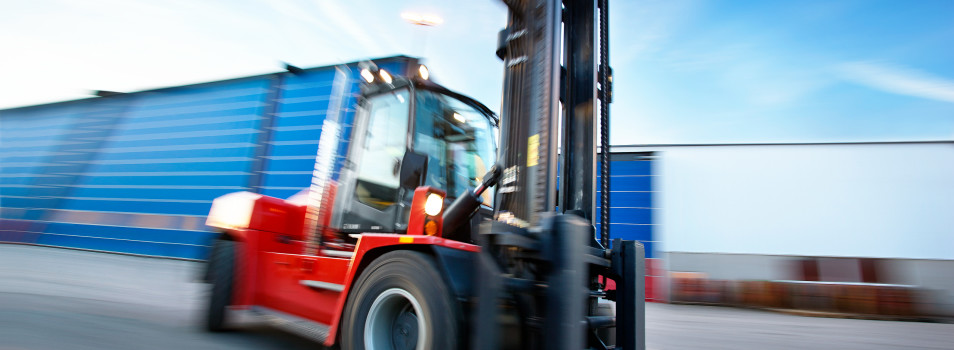

Forklift Training & Certification Courses Center in Brampton, Mississauga & Toronto
The experienced Fork Lift Trainers can enhance their skill by doing Refresher Course rather than doing complete program again. We provide training with latest forklift equipment.
Forklift Courses
We are the Forklift Training School in Canada, offering comprehensive hands-on training for all levels of forklift operators.
Our comprises of experienced people who have been associated with Safety & Operator Training for many years.
Our Training Programs are interactive in nature & designed to suit the need of the Industry. Special programs are meticulously tailored for specific individual requirements after studying on-site details.
Why Choose Us

- CLASS A Compressed Gas
- CLASS B Flammable and Combustible Materia
- CLASS C Oxidizing Materials
- CLASS D-1 Poisonous and Infectious Material
- CLASS D-2 Poisonous and Infectious Material
- CLASS D-3 Poisonous and Infectious Material (Biohazardous Infectious Material)
- CLASS E Corrosive Material
- CLASS F Dangerously Reactive Material
We are the Forklift Training School in Canada, offering comprehensive hands-on training for all levels of forklift operators.
Our comprises of experienced people who have been associated with Safety & Operator Training for many years.
Our Training Programs are interactive in nature & designed to suit the need of the Industry. Special programs are meticulously tailored for specific individual
Expert Forklift Training in Toronto, Brampton, and Mississauga
Looking for comprehensive forklift training courses in Toronto, Brampton, and Mississauga? Look no further than CN Forklift Training! Our experienced instructors provide expert training and certification to help you become a skilled and safe forklift operator.
Forklift Training Courses
Our courses cover all aspects of forklift operation, from basic operation to advanced techniques for maneuvering in tight spaces. We offer flexible course schedules to accommodate your needs, including both full-time and part-time options. Our instructors work closely with students to ensure that they have a thorough understanding of all course materials.
Forklift License & Certificate Courses
We also offer forklift license and certificate courses to help you meet the requirements for operating a forklift in your industry. Our courses are recognized by employers throughout the area, and our graduates are highly sought-after for their skills and knowledge.
Why Choose CN Forklift Training?
At CN Forklift Training, we pride ourselves on providing a supportive learning environment that is conducive to success. Our instructors are experienced and knowledgeable, and they work closely with students to ensure that they have the skills and knowledge needed to be a safe and effective forklift operator. Our training programs are customized to meet the needs of each individual student, and we offer ongoing support to help our graduates succeed.
Get Started Today
Ready to take the first step in your forklift training? Contact CN Forklift Training today to learn more about our courses and schedule a consultation. We look forward to helping you achieve your career goals!

Our Forklift Courses include Refresher Courses, Pre-operation checklist training, Practical training, theoretical training, WHMIS training, Fall Prevention/Protection Training..
–>
TEXT or CALL for FREE QUOTE: (905)-405-0001 , (905)-405-0006