
At CN Forklift Training, we offer a systematic training that will assist you to know how to manage, label, record, and move dangerous materials in a responsible way. Our TDG training certification in Canada is aimed at facilitating compliance, enhancing occupational safety, and mitigating the risk of incidents in the regular work processes.
We focus on practical understanding rather than memorization alone. Training with us will teach you how the regulations can be applied in practical work situations of loading, storage, and transportation. Our goal is to help you build habits that protect people, property, and the environment.
Working with dangerous goods requires more than caution. It requires knowledge of classifications, labels, and responsibilities. Our training explains how different materials are grouped and what those classifications mean for storage and movement.
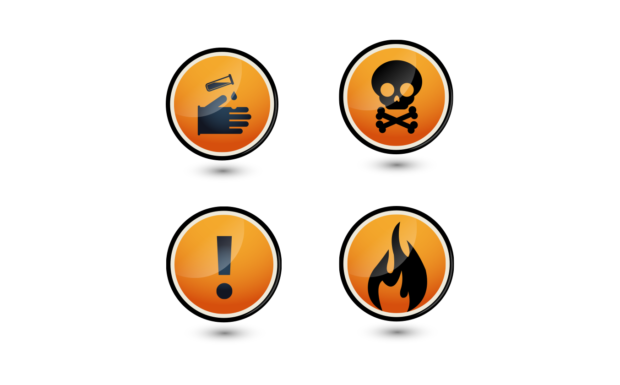
You learn how to interpret symbols, understand documentation, and follow handling rules that apply across industries such as warehousing, logistics, manufacturing, and construction. This awareness helps prevent confusion and supports safer decision-making at every stage of transport. We also explain how TDG responsibilities apply to shippers, handlers, and drivers, ensuring you understand your role clearly within the process.
Our transportation of dangerous goods training focuses on helping you apply regulations to daily tasks rather than treating them as abstract policies. We walk you through how to prepare materials correctly before transport and how to verify that containers meet safety standards.
You gain a clear understanding of how hazardous materials are classified and identified, how labeling and placarding must be applied, and how documentation should be completed and maintained. We also explain safe loading and unloading procedures so materials are handled correctly at every stage. This approach helps reduce costly errors and supports smoother coordination between workers, supervisors, and transport operators.
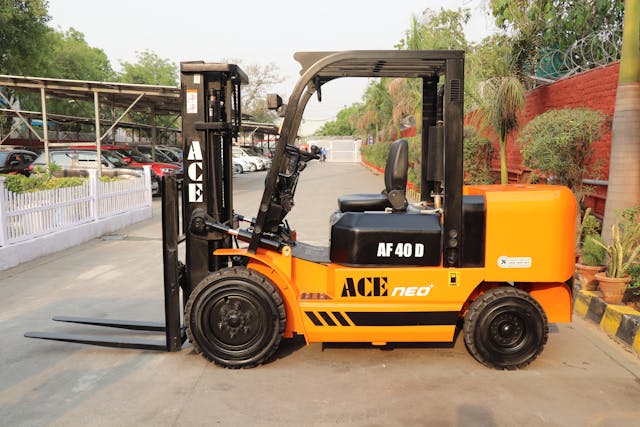
Hazardous materials are often moved alongside regular cargo. This makes planning and organization critical. Our instruction shows you how to maintain separation, manage risk zones, and recognize when a shipment requires special attention. We also cover load stability training as part of safe transport awareness. You learn how improper balance or shifting cargo can create serious hazards when dangerous goods are involved.
These skills support safer operations in busy work environments.
Our TDG online certification course offers a structured learning path for workers who need certification without interrupting their schedules. The course content is organized into clear sections that explain regulations, responsibilities, and safety expectations in a logical way.
Online learning allows you to:
We combine digital learning with practical examples so that the information remains useful beyond the exam.
TDG regulations allocate responsibilities according to job description. There are different responsibilities of shippers, handlers, and carriers. Our training describes the interaction of these roles and what each party should do to remain in compliance.
You learn:
This clarity reduces misunderstandings and supports better teamwork in operations involving dangerous goods.
Recognizing risk is a core part of TDG compliance. We teach you how to identify hazards using classification systems and visual indicators. You also learn how to evaluate whether packaging and documentation match the material being transported.
Risk awareness includes:
Such lessons enable you to react in a very calm and correct manner when something is not right.
Our TDG compliance training for workers connects regulation with routine duties. Instead of focusing only on legal language, we explain how compliance affects loading bays, storage areas, and transport routes.
You gain insight into:
By doing this, you will find it easy to obey the rules since you know the reason why the rules exist, rather than merely because they are.
We assist in choosing the right training route depending on the job role and exposure to deadly goods. You receive an overview of TDG requirements and learning objectives.
You study classification systems, labeling standards, documentation rules, and safe handling procedures. Topics are presented with practical examples tied to workplace conditions.
You review real-world scenarios and practice identifying hazards, checking compliance, and making correct decisions when issues appear.
You pass exams confirming that you are aware of the principles and duties of TDG.
You receive documented proof of training that supports workplace requirements and regulatory expectations.
The certification proves that you know how to handle dangerous goods in a safe and responsible manner. The employers appreciate certified employees as it lowers risk, enhances compliance, and facilitates safer operations.
This makes certification to be a significant aspect of professional growth in transport and material-handling jobs.
TDG knowledge is applicable in numerous sectors. Our program supports workers in:
Regardless of the industry, knowing how to handle hazardous materials will prevent accidents and save human life and property.
Different job sites and transport routes create different challenges. Our training teaches you how to adjust your approach when conditions change, such as weather, container type, or delivery method.
You learn how to:
This flexibility allows your skills to remain useful across varied roles and projects.
We focus on realistic instruction, clear explanations, and practical application. Our training supports safer work habits, stronger awareness, and dependable performance when dealing with hazardous materials.
We believe good training prepares you for real work, not just assessments.
1: What does TDG certification cover?
It explains hazard classes, labeling rules, documentation duties, and safe handling methods so workers can transport regulated materials responsibly and reduce workplace risks daily operations.
2: Who should take this course?
This training suits warehouse staff, drivers, supervisors, and handlers who work with dangerous goods and need clear guidance for compliant, confident performance everyday job tasks.
3: How is the learning delivered?
You study practical scenarios, review legal responsibilities, and complete assessments that confirm understanding of safe transport procedures before applying them at work independently and accurately.
4: Why is refresher training important?
Regulations change, equipment evolves, and regular updates help workers maintain compliance, prevent errors, and sustain consistent safety behaviour over time across different work environments safely.
5: Does the course meet legal requirements?
The program aligns with TDG compliance training for workers by covering classification, documentation, and emergency response expectations required under national transport regulations for hazardous materials.
If you want instruction that improves safety, consistency, and compliance, CN Forklift Training is ready to support you. Our TDG training certification in Canada is designed to help you manage dangerous goods responsibly while strengthening everyday work performance. Enroll today and build the knowledge you need for safer handling, better decision-making, and long-term success in regulated work environments.
Lorem Ipsum is simply dummy text of the printing and typesetting industry. Lorem Ipsum has been the industry's standard dummy text ever since the 1500s, when an unknown printer took a galley of type and scrambled it to make a type specimen book.
Thank you for your interest. For questions or comments, please use the information below. We look forward to hearing from you soon.
Don't see your city? We provide on-site training throughout Ontario. Contact us for availability.