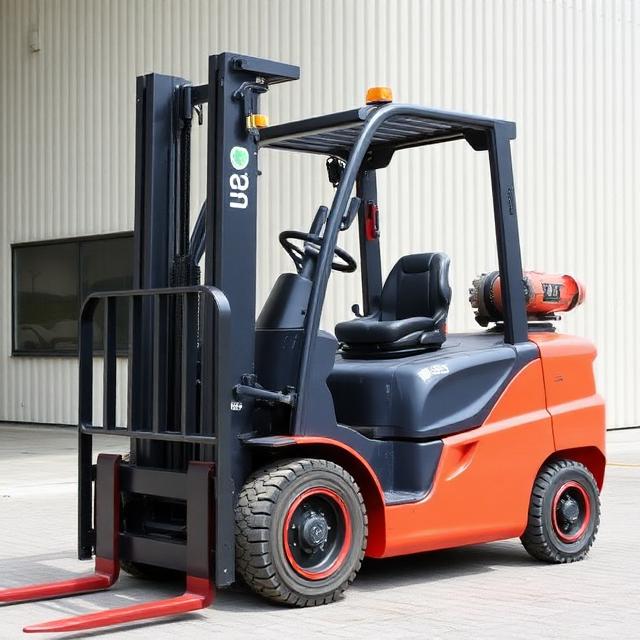
Surprisingly few forklift accidents trace back to careless behavior – more often, they stem from holes in preparation. Over at CN Forklift Training, people learn to clear exams, yet rarely practice managing shaky cargo, rushed schedules, or packed loading zones. That’s why forklift training in Toronto must go beyond basic instruction.
From solo learners to company supervisors, what matters isn’t just passing a test – handling equipment safely comes down to how people act when it counts. Real skill shows up not on paper but in daily work, where calm choices prevent accidents before they start.
Understanding Forklift Training: Why It's More Than Just a Forklift Course
Starting with certification rules misses the point – first comes knowing what good forklift training involves. Not every program covers enough; some only explain buttons and warnings. Yet actual job sites require sharper awareness. Think on your feet, adapt when things shift without warning, stay alert even during routine tasks. Real skill shows up when surprises happen.
In real-world settings, operators deal with:
- Narrow aisles with limited visibility
- Changing floor conditions (wet, uneven, or obstructed)
- High-pressure timelines during peak operations
- Mixed environments with both pedestrians and machinery
This is why strong forklift certification training in Toronto emphasizes hands-on learning. Operators need to build instinct, awareness, and control—not just knowledge.
Forklift Certification: What It Actually Means
Getting certified is not where learning stops. Actually, it’s when safety work truly kicks in – far from being the finish line. Take a step back: real readiness comes from knowing how to handle equipment well, not just checking boxes on paperwork.
What Does Forklift Certification Include?
1. Theory-Based Learning
Operators learn:
- Load stability and weight distribution
- Equipment limitations and safe usage
- Workplace safety regulations
- Hazard identification
This builds a foundation for decision-making under pressure.
2. Practical Skills Training
Operators gain hands-on experience in:
- Maneuvering in confined spaces
- Lifting and stacking loads safely
- Controlling speed and direction
- Handling unexpected situations
3. Evaluation and Competency Testing
A strong program requires operators to:
- Demonstrate consistent control
- Show awareness of surroundings
- Respond correctly to real-world scenarios
Weak evaluation is one of the biggest issues in poor training programs. Without proper testing, certification loses its real value.
Forklift Services and Training: Why They Must Work Together
A single dive into safety shows training matters, yet gear state holds just as much weight. When machines run smoothly, people tend to perform better – this link shapes outcomes more than many admit. Jump ahead without grasping that connection, and even skilled workers face avoidable risks.
The Role of Our Forklift Services in Safety
As reliable forklift service providers, we ensure:
- Smooth and predictable operation
- Accurate load handling
- Reliable braking and steering
When forklifts are not properly maintained, operators often compensate—developing habits that can become unsafe over time. This is why combining training with forklift service in Toronto creates a safer, more consistent work environment.
Corporate Forklift Training in Toronto: Building Stronger, Safer Teams
Safety begins where work happens, shaped by those who manage it. Before any lessons roll out, remember this: steady habits build real care. Each person moving equipment must stick to identical rules, no exceptions. Patterns form when everyone does things the same way, every time. How leaders act sets the tone behind every lift and turn.
What Effective Corporate Training Looks Like
Well-structured corporate forklift training in Toronto focuses on:
- Reducing workplace incidents
- Improving operational efficiency
- Standardizing operator behavior
- Building long-term safety habits
Real-World Example:
Busy shifts at a Toronto warehouse kept causing pallets to go missing. When staff started practicing under realistic work pressures, mistakes dropped fast. Preparation made the difference – watching more closely didn’t help nearly as much.
Full Service Forklift Support in Toronto: A Complete Safety Approach
Most folks think training fixes everything. Yet without follow-up help, safe practices start slipping. Companies really depend on steady guidance after the sessions end. Picking the right partner means knowing exactly what kind of backup they offer. Details matter more than promises.
What Full Service Forklift Support Covers
Full service forklift support in Toronto includes:
- Preventive maintenance programs
- Emergency repair services
- Operator refresher training
- Safety inspections and audits
Over time, fewer interruptions happen because of how it works. Consistency gets better through steady application. Compliance sticks around thanks to ongoing follow-through.
How Our Forklift Training Process Works
It begins with clear steps so nothing slips through the cracks. Only after finishing every stage does someone earn their certification. Learning happens step by step, shaping understanding along with ability. Each part connects to the next, making sure growth follows a steady path.
Step 1: Initial Assessment
Our operators are evaluated based on:
- Experience level
- Job role
- Equipment type
Step 2: Theory Session
Covers:
- Safety rules and regulations
- Equipment basics
- Risk awareness
Step 3: Hands-On Training
Operators practice:
- Load handling
- Precision maneuvering
- Emergency response
Step 4: Performance Evaluation
Operators must demonstrate:
- Control and accuracy
- Awareness of surroundings
- Safe decision-making
Step 5: Certification
Documentation is issued for compliance and records.
Common Forklift Training Problems (And How to Fix Them)
Most problems in training stay hidden till a mistake happens. Spotting typical shortcomings comes first, only then can changes make sense.
Problem 1: Treating Training as One-Time
Fix: Schedule regular refresher training sessions.
Problem 2: Generic Training Programs
Fix: Customize training to match actual workplace conditions.
Problem 3: Lack of Practical Experience
Fix: Increase hands-on training time.
Problem 4: Ignoring Equipment Maintenance
Fix: Combine training with regular forklift service in Toronto.
Practical Tips from Our Years of Industry Experience
From years of observing real operations, these practices consistently improve safety and efficiency:
- Train operators on the exact forklifts they will use
- Simulate real working conditions during training
- Encourage open communication about equipment issues
- Reinforce safety habits through regular supervision
- Integrate training with ongoing maintenance programs
What Our Skilled Operators Do Differently
Out front, our team spots trouble before it shows up. These folks know the work inside out – no surprises missed.
They:
- Adjust speed based on surroundings
- Stay alert to pedestrian movement
- Recognize load instability early
- Adapt quickly to changing conditions
These behaviors come from experience—but they can also be taught through the right training approach.
Serving Toronto's Industrial and Commercial Sectors
Not every place works the same way – Toronto’s mix of industries means learning tools must shift easily between settings. One size won’t fit all when picking who delivers the training; knowing your workspace matters more than their brochure shows.
Training programs should adapt to:
- Warehousing and logistics
- Manufacturing facilities
- Retail distribution centers
- Construction and outdoor operations
This ensures that forklift training in Toronto is practical, relevant, and effective.
Continuous Learning and Internal Resources
Long after the certificate arrives, learning keeps going. Safety grows when practice never stops.
For continued improvement:
- Enroll in a comprehensive forklift course to build and refresh skills
- Follow internal blogs focused on forklift safety, efficiency, and operator performance
- Refer to official workplace safety guidelines such as those from the Canadian Centre for Occupational Health and Safety (CCOHS) for updated standards
Invest in Training That Delivers Real Results
The difference between average and effective forklift training in Toronto comes down to preparation. Out of practice that feels real comes sharper skills. Equipment you can count on keeps things steady. Performance seen for what it truly is shapes better outcomes. Results show up clearly when these pieces line up:
- Fewer accidents
- Improved productivity
- Greater operator confidence
Investing in proper lessons by CN Forklift Training isn’t just about compliance—it’s about building a safer and more efficient workplace.
All Over GTA & Ontario
- Mississauga
- Vaughan
- Brampton
- Etobicoke
- Scarborough
- Markham
- Toronto
- Hamilton
- Burlington
- Oakville
- Milton
- Kitchener
- Waterloo
- Cambridge
Frequently Asked Questions – CN Forklift Training
While certification typically lasts three years, refresher training should be conducted more frequently—especially after incidents, equipment changes, or performance concerns.
Our most effective programs combine hands-on experience with real-world scenarios, ensuring operators can apply their skills in actual work environments.
Yes. Even small teams benefit from corporate forklift training in Toronto, as it ensures consistency, reduces risk, and improves overall efficiency.
Regular forklift service in Toronto ensures equipment operates correctly, allowing operators to apply their training without compensating for mechanical issues.
Choose a forklift course that includes practical training, realistic scenarios, proper evaluation, and ongoing support—not just basic certification.